
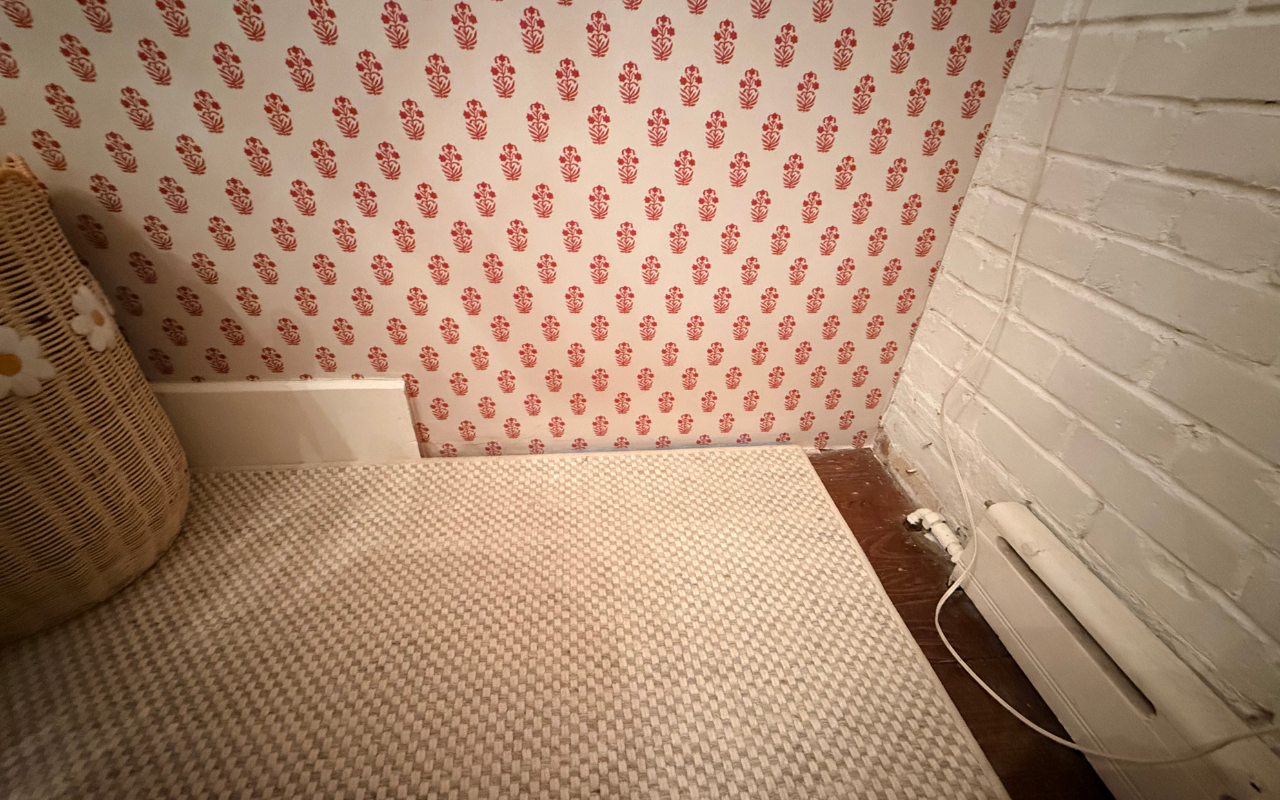
Wallpaper can transform a room with color, texture, and detailed patterns. Before choosing a design, many homeowners ask: how long does wallpaper last? The answer depends on the material, installation, wall condition, room environment, and daily care.
Quality wallpaper can often remain attractive for 10 to 15 years in suitable conditions. At BVL Painting & Carpentry, we help homeowners compare wall finishes that match their rooms, routines, and design goals.
Explore our custom carpentry services when your interior update includes walls, trim, built-ins, or coordinated room details.
Understand Why Wallpaper Lifespan Matters
The lifespan of wallpaper affects your decorating plans, maintenance needs, and future renovation schedule. A durable wallcovering may stay attractive for many years, while a lower-quality product can begin fading, tearing, or lifting much sooner.
The right choice should match the room. Wallpaper in a quiet bedroom may last longer than the same material in a busy hallway.
Kitchens and bathrooms also create extra challenges because heat, moisture, stains, and frequent cleaning can weaken some products.
Review What Determines Wallpaper Lifespan
Material quality is only one part of wallpaper performance. Wall preparation, adhesive coverage, installation methods, sunlight, temperature, and humidity all affect how long will wallpaper last in a specific room.
With BVL Painting & Carpentry, you can consider the full condition of the space before choosing a finish. A strong product may still fail when applied over dust, grease, cracks, damp areas, or uneven surfaces.
Careful preparation supports better adhesion and a cleaner appearance.
Key Takeaway
Wallpaper lasts longer when the material, wall condition, adhesive, installation method, room moisture, sunlight exposure, and cleaning routine all work together.
Compare Wallpaper Types and Expected Performance
Different wallpaper materials are designed for different uses. Traditional products may support long-term decorating, while removable options are usually better for temporary changes.
Wallpaper Lifespan Guide
| Wallpaper Type | Typical Lifespan | Best Use |
|---|---|---|
| Traditional wallpaper | Often seven to 15 years in dry, stable rooms. | Bedrooms, dining rooms, offices, and lower-traffic spaces. |
| High-quality vinyl wallpaper | Can last 10 years or longer with proper care. | Areas needing more stain resistance and easier cleaning. |
| Non-woven wallpaper | Can provide lasting performance with easier removal. | Rooms where durability and future updates both matter. |
| Peel-and-stick wallpaper | Often three to five years on smooth, dry surfaces. | Temporary updates, rentals, accent walls, and low-moisture rooms. |
| Textured wallpaper | Varies by material, traffic, and cleaning needs. | Decorative walls where touch, scuffs, and moisture are limited. |
Understand Peel-and-Stick Wallpaper Limits
When asking how long does peel and stick wallpaper last, consider more than the product label. Humidity, textured walls, temperature changes, and weak surface preparation can cause removable wallpaper to lift earlier than expected.
Peel-and-stick products usually perform best on smooth, clean, dry, and painted walls. Heavy texture, dust, bathroom steam, or fresh paint that has not cured can reduce adhesion.
This option can still be useful for accent walls or short-term design changes. However, it may not be the best choice for damp rooms, rough walls, or surfaces exposed to frequent cleaning.
Key Takeaway
Peel-and-stick wallpaper is convenient, but its lifespan depends heavily on wall smoothness, dryness, humidity, temperature stability, and surface preparation.
Account for Room Conditions That Shorten Performance
Bedrooms, dining rooms, and home offices usually offer favorable conditions for wallpaper. These rooms often have stable temperatures, limited moisture, and moderate traffic.
Hallways, entryways, kitchens, and children’s rooms may experience more contact, stains, scuffs, and cleaning. These conditions can shorten the finish’s appearance and performance.
Bathrooms and basements need special attention. High humidity can soften adhesive and cause bubbling or peeling. Direct sunlight may also fade colors over time.
Curtains, blinds, ventilation, and stable indoor temperatures can help protect the finish. If wallpaper is part of a larger room update, our custom carpentry services can help you coordinate walls, trim, storage, and other design features.
Prepare Walls Correctly Before Installation
Professional preparation can influence how long does wallpaper last after installation. The wall should be clean, smooth, dry, and properly prepared.
Dust, cracks, grease, loose paint, and heavy texture can prevent the adhesive from bonding evenly. Pattern alignment and adhesive coverage also matter.
Poorly aligned panels can create visible seams, while uneven adhesive may lead to bubbles or lifting edges. Our team works carefully around the details that affect the finished appearance.
Trim, molding, and wall features should also be considered before installation begins. Reviewing related interior carpentry options can help create a more complete and consistent room design.
Key Takeaway
Room conditions and wall preparation can shorten or extend wallpaper life. Smooth, dry, clean walls and stable rooms support better long-term results.
Use Simple Care to Extend Wallpaper Life
Wallpaper requires limited maintenance, but gentle care can protect its finish. Always follow the cleaning guidance for the specific material.
Paper, vinyl, textured, and removable products may respond differently to water and cleaning products. Small lifted edges may sometimes be repaired before the damage spreads.
Wallpaper Care Checklist
- Remove dust with a soft cloth or suitable vacuum attachment.
- Blot spills promptly instead of rubbing the surface.
- Use a damp cloth only when the wallpaper is washable.
- Avoid harsh chemicals, rough scrubbers, and excessive water.
- Check seams and corners for early signs of lifting.
- Keep furniture slightly away from the wall to reduce scuffs.
Widespread peeling, fading, bubbling, mold, or permanent stains usually suggest that replacement is the more practical choice.
Frequently Asked Questions
How long does wallpaper last in a home?
Quality wallpaper often lasts between 10 and 15 years when installed on a prepared wall and kept in suitable conditions. Material, moisture, sunlight, traffic, and cleaning habits can shorten or extend that range. Use our interior project contact page to discuss your room.
How long does peel and stick wallpaper last?
Peel-and-stick wallpaper often lasts three to five years. It performs best on clean, smooth, dry walls in rooms with stable temperatures and low humidity. Textured surfaces and damp conditions may weaken the removable adhesive.
Which wallpaper type usually lasts the longest?
High-quality vinyl and non-woven wallpaper often provide strong durability. Vinyl resists stains and moisture better than traditional paper, while non-woven materials can resist tearing. The best option depends on the room and the amount of daily contact.
Can wallpaper work with custom wood features?
Yes. Wallpaper can complement shelves, trim, built-ins, and decorative wood details when the colors and proportions work together. Our custom woodwork options can help you plan a coordinated interior.
Should trim work be completed before wallpaper installation?
The correct order depends on the project and the condition of the room. Completing needed repairs or trim changes first can reduce the risk of damaging a new wall finish. When you choose BVL Painting & Carpentry, we can review related carpentry needs during the planning process.
Choose a Wall Finish That Fits Your Home
Understanding how long does wallpaper last can help you choose a finish that supports your style and daily routine. The best results come from matching the wallpaper type to the room, preparing the surface carefully, and protecting the finish from moisture, sunlight, and rough cleaning.
At BVL Painting & Carpentry, we help homeowners consider practical details before updating an interior space. A thoughtful plan can support better adhesion, balanced design, and a finish that remains attractive for years.
Wallpaper Planning Checklist
- Review the room’s moisture, sunlight, and traffic levels.
- Select a wallpaper material suited to those conditions.
- Complete needed wall, trim, or carpentry work first.
- Plan proper preparation and careful installation.
- Use gentle cleaning methods after the project is complete.
Discuss your room, design goals, and wall conditions through our interior project contact page. We can help you plan a wall finish that fits your home and long-term expectations.