
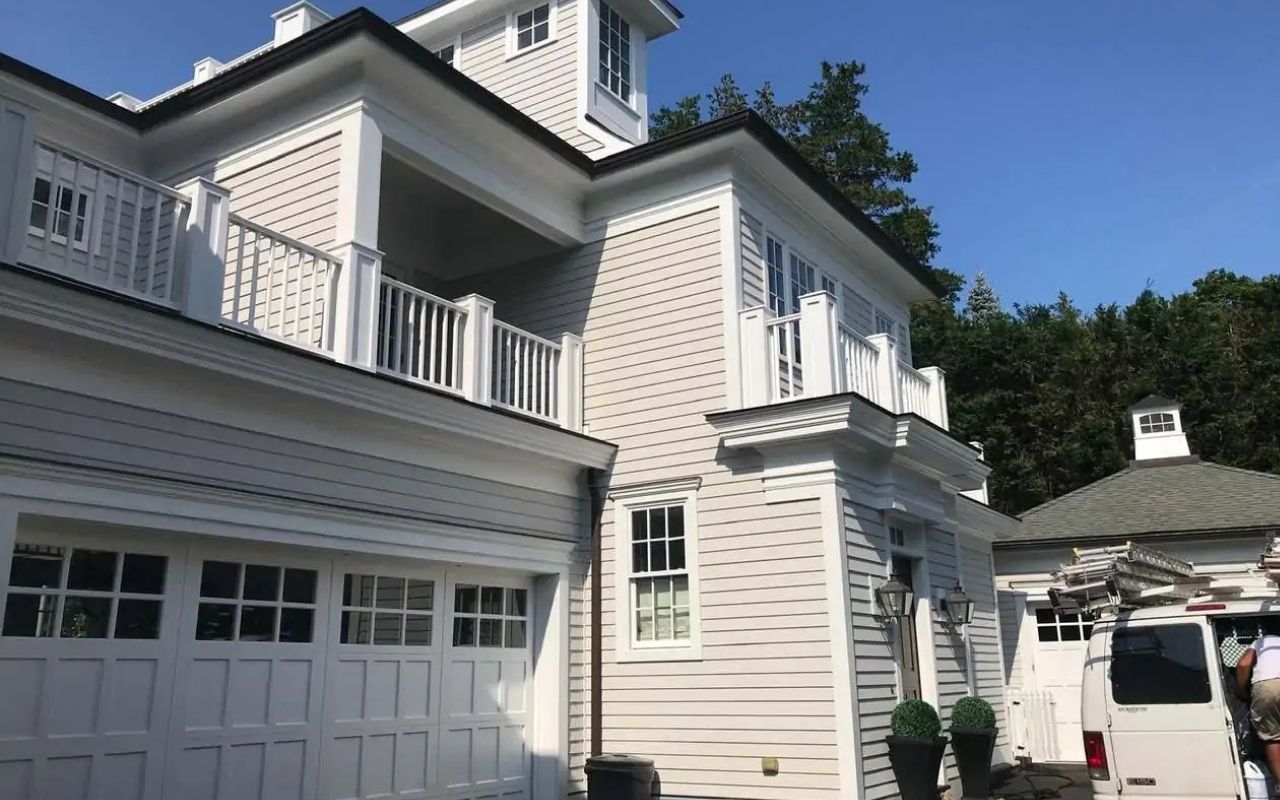
Spring gives many homeowners a fresh start, and it also creates a smart time to improve curb appeal. At BVL Painting & Carpentry, we know the best time for exterior painting can shape how long your finish lasts.
Because weather matters, careful planning leads to better results than guesswork. In addition, learning how spring conditions affect paint helps you choose the right moment and protect your home with confidence.
Understand Spring Weather Before You Start Painting Outside
Before you begin, look at your local weather pattern, not just one sunny day. Even so, spring can change fast, so a stable forecast often makes the difference between a smooth finish and early paint failure.
At BVL Painting & Carpentry, we suggest checking rain chances, overnight lows, and humidity levels together. As a result, you can plan around spring exterior painting weather and avoid common problems that shorten paint life.
Choose the Best Time for Exterior Painting Carefully
The best time for exterior painting usually comes during a stretch of mild, dry days. Therefore, it helps to wait for temperatures that stay comfortable during the day and remain above the minimum level at night.
Most homes benefit from several calm days in a row with low moisture in the air. In that case, paint can dry evenly, bond well, and keep its clean look longer.
Check Surfaces and Plan Repairs Before Painting Begins
Good results start with solid surfaces, so every wall, trim board, and corner should be checked first. For example, peeling paint, soft wood, and mildew should be fixed before any new coat goes on.
When homeowners ask when to paint house exterior, the answer often depends on preparation as much as weather. That is why BVL Painting & Carpentry always looks at surface condition before setting a painting schedule.
- Inspect siding, trim, and corners for wear.
- Repair damaged wood and loose areas early.
- Make sure each surface is clean and fully dry.
Prepare Exterior Areas to Help Paint Last Longer
First, wash away dirt, pollen, and loose paint so the new coating can hold well. After that, allow enough drying time, because moisture trapped under paint can cause peeling and bubbling later.
Next, fill cracks and seal gaps where water may enter. In addition, sanding rough edges helps create a smooth base that improves the final look and helps the finish stay strong through the seasons.
Select Paint Products That Fit Spring Conditions Well
Not every paint works the same way in changing spring weather. Instead, choose products made for outdoor use in cooler or mixed conditions so they can dry and cure with fewer issues.
The ideal exterior painting season often calls for paint that performs well during mild days and cool nights. Because of that, BVL Painting & Carpentry chooses products that support strong coverage, better color hold, and long-term protection.
- Use exterior paint made for seasonal changes.
- Match the primer to the surface type.
- Pick a finish that fits the area and wear level.
Use Smart Painting Steps for Better Outdoor Results
Work in sections, and begin in shaded areas whenever possible. Meanwhile, keeping a wet edge helps the paint blend better and reduces visible lines that can appear when surfaces dry too fast.
Exterior painting in dry weather usually leads to more even results because the surface stays ready for proper bonding. Even then, watching the forecast during the job is still important, especially in a season that changes quickly.
Frequently Asked Questions
Is spring a good season to paint a home exterior?
Yes, spring can be a great choice because temperatures are often mild. However, dry days with stable weather usually give the best outcome.
What temperature works best for outdoor painting?
In general, many paints work best when daytime temperatures are moderate and nighttime lows stay safely above the product minimum. Always check the label before starting.
Why does humidity matter during painting?
High humidity can slow drying and affect how paint sets. Therefore, lower moisture levels often help create a smoother and longer-lasting finish.
How do I know if my home is ready to paint?
Look for clean, dry, and sound surfaces. If you see peeling paint, cracks, or damaged trim, fix those areas first for better results.
Who can help me plan the right schedule?
BVL Painting & Carpentry can help you choose the right timing, prep your surfaces, and complete the project with care. You can reach us through our contact page.
Maintain Painted Surfaces and Keep Your Finish Looking Fresh
Once the job is done, regular care helps the finish stay clean and strong. For that reason, it is wise to inspect your exterior each spring and fall for chips, cracks, or areas holding moisture.
Trim plants back, clean away dirt, and fix small issues early before they grow into larger repairs. To learn more, visit our exterior painting tips and our fall home maintenance guide.
- Wash painted areas gently during the year.
- Touch up small damaged spots quickly.
- Check trim and siding after wet seasons.
Trust Our Team to Plan Your Spring Painting Project
At BVL Painting & Carpentry, we believe great results come from good timing, careful prep, and the right products. Moreover, the best time for exterior painting becomes easier to choose when you have a clear plan.
Whether you are comparing weather patterns or preparing a full repaint, BVL Painting & Carpentry is ready to help. So if you want a finish that looks clean and lasts, connect with BVL Painting & Carpentry today.