
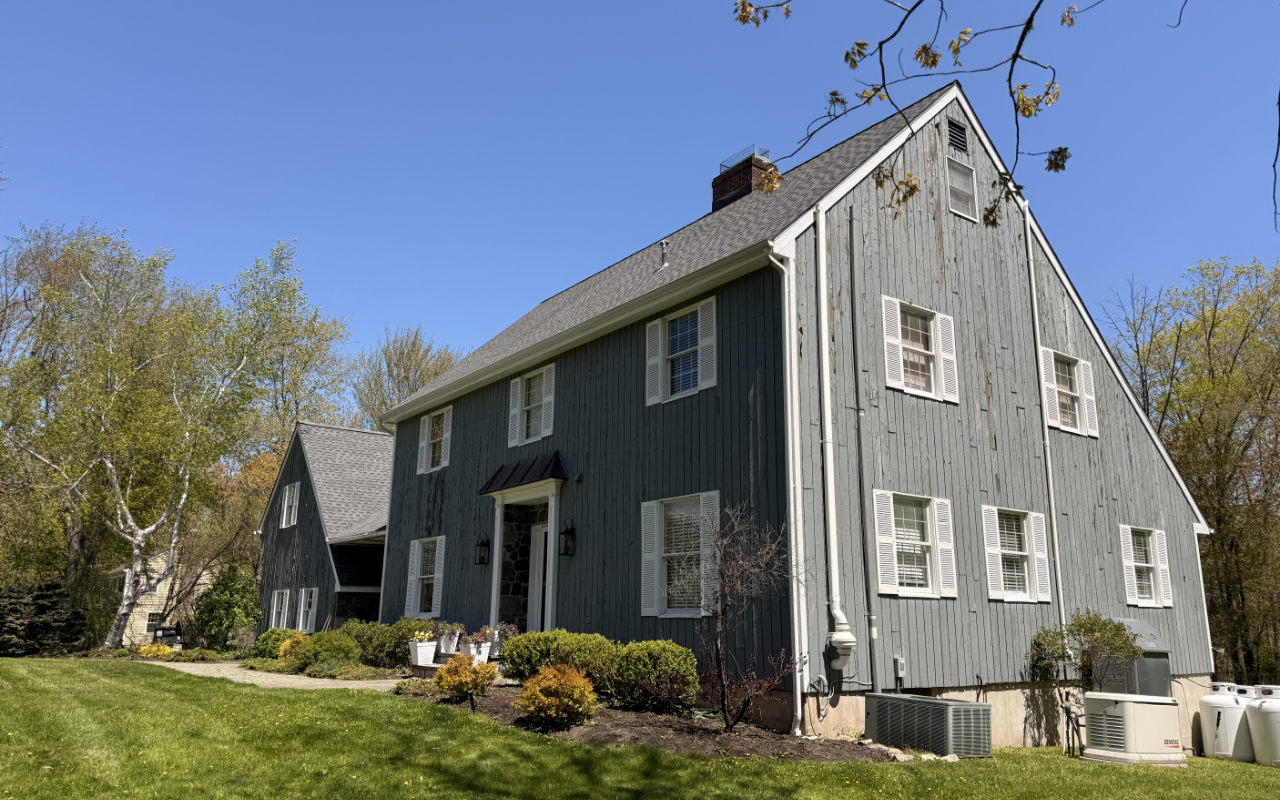
Cracks in exterior paint can make a well-kept home look worn and may point to problems beneath the surface. Understanding exterior paint cracking causes can help you spot trouble early, protect siding, and plan the right repair before damage spreads.
At BVL Painting & Carpentry, we look beyond the visible crack to understand what may be affecting the coating underneath. If your exterior finish is changing, our guide to signs your home needs exterior painting can help you decide what to check next.
Common Reasons Exterior Paint Starts Cracking
Several exterior paint cracking causes can develop slowly or appear soon after painting. The problem often begins when the coating cannot stay bonded to the surface or move with normal changes in the siding.
- Poor surface cleaning leaves dirt, chalk, or loose paint under the new coating.
- Moisture behind siding can weaken adhesion and create cracked exterior paint.
- Heavy paint layers may dry unevenly and become less flexible.
- Old coatings can become brittle after years of sun and weather exposure.
- Painting outside suitable conditions can affect how the finish dries and bonds.
How Weather Creates Stress on Exterior Coatings
Sun, rain, humidity, and temperature changes all place stress on exterior coatings. Paint expands and contracts as siding heats and cools. Over time, repeated movement can weaken the film, especially when the paint or surface is already in poor condition.
Our team at BVL Painting & Carpentry can assess whether visible damage looks related to weather, moisture, or an aging finish. Homeowners who notice lifting as well as cracking may also find our guide to peeling exterior paint repair useful.
Surface Preparation Problems That Weaken Paint Adhesion
Good preparation gives exterior paint a clean and stable surface to grip. When prep is rushed, new paint may bond to dirt, failing paint, or damp material instead of the siding itself. That weak bond can lead to early cracking or peeling.
- Remove loose, flaking, or damaged paint before recoating.
- Clean away dirt, mildew, dust, and chalky residue.
- Allow washed or repaired surfaces to dry fully.
- Repair damaged wood, open joints, and failed caulk where needed.
- Prime bare or problem areas with a suitable product before painting.
Care after the project matters too. Our painted siding maintenance tips explain simple ways to keep finished surfaces cleaner and easier to inspect.
Can the Wrong Paint Cause Early Cracking?
Yes. Paint must suit the surface, previous coating, and outdoor conditions. A product that is too rigid may not move well with wood or siding. Incompatible layers can also bond poorly, which helps explain why exterior paint cracks even when the color still looks fresh.
Choosing a compatible exterior coating also reduces the risk of paint cracking on siding. The right product should form a durable film without trapping moisture or becoming overly brittle as conditions change.
Primer and Application Mistakes That Lead to Failure
Primer can improve adhesion on bare, repaired, stained, or porous areas. Skipping it when the surface needs it may leave the finish uneven or weak. Applying paint too thickly, too thinly, or before the surface is ready can also contribute to exterior paint failure.
With BVL Painting & Carpentry, you can discuss the condition of your current coating before deciding how to move forward. Proper timing and application matter because each coat needs suitable conditions to dry and bond as intended.
For more practical preparation and application guidance, see our exterior painting tips.
Warning Signs Your Exterior Paint Needs Attention
Cracking can begin as fine lines and become more serious with time. Regular inspection helps you notice changes before large areas fail. Pay closer attention around joints, trim, exposed siding, and places where water may collect.
- Fine hairline cracks spread across painted surfaces.
- Paint edges begin lifting near cracks or seams.
- Bare siding appears where the coating has separated.
- Soft, swollen, or discolored areas suggest possible moisture exposure.
- Caulk has opened around windows, doors, or siding joints.
If damage is widespread, avoid covering it with another coat before finding the cause. New paint cannot correct loose material, trapped moisture, or surface movement underneath.
Frequently Asked Questions
What are the most common exterior paint cracking causes?
Common causes include poor surface preparation, moisture, aging coatings, incompatible paint layers, and application in unsuitable weather. At BVL Painting & Carpentry, we focus on the condition beneath the finish before recommending the next step. You can also review common exterior painting warning signs.
Should cracked exterior paint be removed before repainting?
Loose or failing paint usually needs to be removed so the new coating can bond to a stable surface. Simply painting over active cracks may hide them for a short time. Our guide to repairing peeling exterior paint explains why surface correction matters.
Can moisture cause paint cracking on siding?
Yes. Moisture can move through or behind siding and weaken the bond between paint and the surface. As temperatures change, that trapped moisture can make failure worse. Regular checks and painted siding maintenance can help you spot vulnerable areas earlier.
Why does exterior paint crack soon after painting?
Early cracking may come from poor prep, thick coats, incompatible products, damp surfaces, or painting in unsuitable conditions. The exact cause depends on the surface and how the coating was applied, so the damaged area should be inspected before repainting.
Does cracked paint always mean the siding is damaged?
No. Sometimes the problem is limited to the paint film, but deeper cracks, soft wood, swelling, or repeated failure may point to moisture or siding damage. A closer inspection can help separate a coating issue from a surface problem.
Protect Your Home With the Right Paint Care
Understanding exterior paint cracking causes makes it easier to respond before small defects spread. Good preparation, compatible products, careful application, and regular maintenance all support a longer-lasting exterior finish and help reduce repeat repairs.
When you choose BVL Painting & Carpentry, we can review the condition of your exterior and discuss a practical path forward. If cracking, peeling, or worn paint is affecting your home, contact our team about exterior painting to start the conversation.