
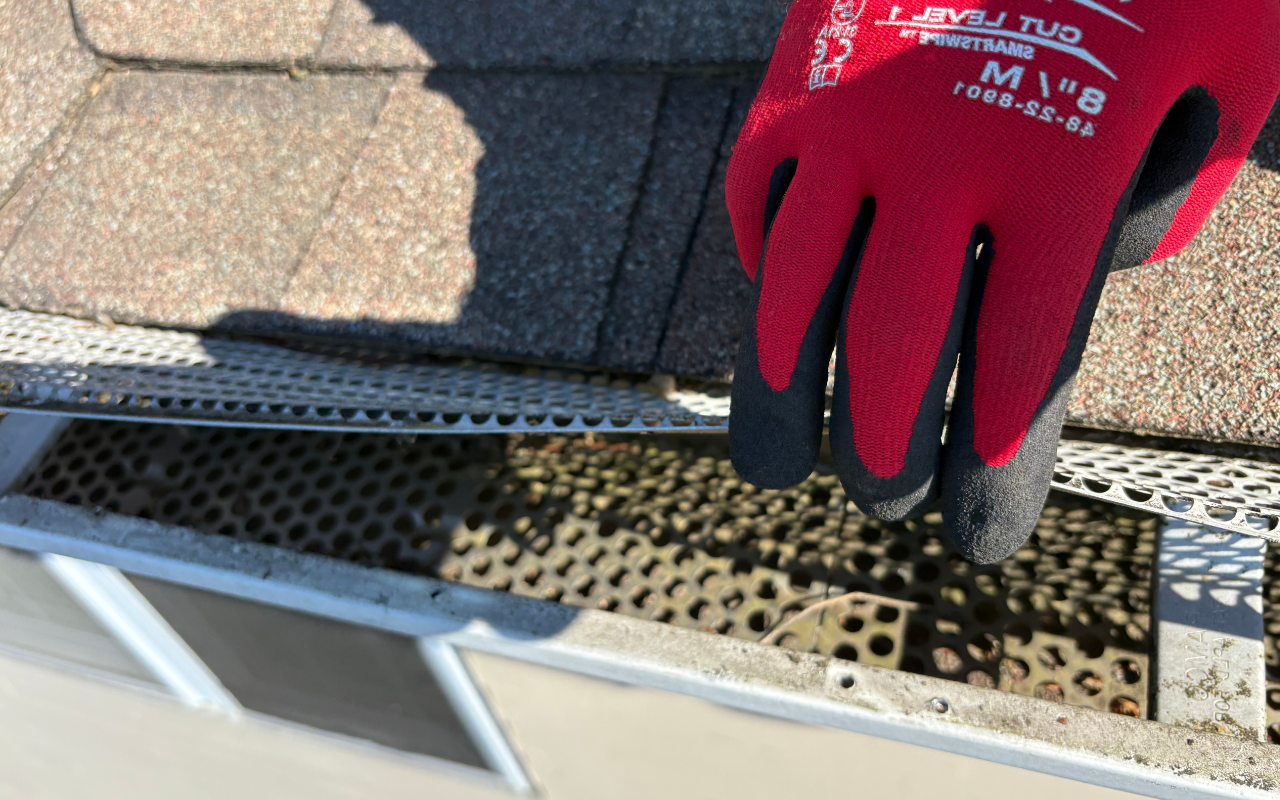
Gutter cleaning before first freeze removes leaves, twigs, and compacted debris before trapped water can become a cold-weather problem. Clear gutters help rain and snowmelt move toward downspouts instead of spilling over the edge. request your gutter estimate when fall debris has collected along the roofline. At BVL Painting & Carpentry, we bring more than a decade of hands-on experience to seasonal exterior maintenance.
Start With Signs Your Gutters Are Already Clogged
Overflow during rain, visible leaf buildup, sagging sections, staining on fascia, and water spilling behind gutters can all indicate restricted drainage. Downspouts that release little water during rainfall may also contain blockages.
Addressing these warning signs before freezing weather reduces the chance of debris remaining saturated for long periods.
Remove Large Fall Debris Before Flushing The Gutters
Leaves and twigs should be removed before water is used to test flow. Flushing heavy debris toward a downspout can compact the blockage and make the downspout harder to clear.
Our gutter cleaning safety tips cover practical considerations for homeowners reviewing seasonal maintenance.
Use This Pre Freeze Gutter Cleaning Checklist First
schedule your gutter service when leaves in gutters or blocked downspouts need attention. Free estimates are available, giving homeowners a clear way to plan cleanup before colder conditions arrive.
- Remove leaves and large debris by hand or scoop.
- Check valleys where roof debris collects heavily.
- Flush each gutter run after debris removal.
- Confirm water exits through the downspout.
- Inspect joints for drips or separation.
- Check brackets for sagging sections.
Check Your Downspouts For Hidden Fall Debris Blockages
A gutter can look clean while a downspout remains blocked. Test flow from the top and confirm that water exits at the bottom without backing up.
Elbows and lower sections may trap compacted leaves even after the horizontal gutter has been cleared.
Inspect Fascia And Gutter Attachments After Seasonal Cleaning
Heavy wet debris can place extra weight on gutter sections. Once the channels are clean, check whether brackets remain secure and whether the gutter maintains a consistent drainage path.
Our fully licensed and insured team in Connecticut and New York can help homeowners identify exterior maintenance concerns discovered during seasonal cleanup.
Use A Rainy Season Checklist For Follow Up
Gutters can refill after the first cleaning if nearby trees continue dropping leaves. A quick follow-up after heavy wind or rain may be useful before freezing temperatures become consistent.
Our rainy season gutter checklist can help homeowners review drainage after storms.
Prioritize Ladder Safety During Cold Weather Gutter Cleaning
- Avoid ladders on icy or unstable ground.
- Use stable footing and proper ladder placement.
- Move the ladder instead of overreaching.
- Wear gloves when handling sharp debris.
- Do not work during unsafe weather conditions.
Bilingual English and Spanish service can help homeowners discuss seasonal maintenance needs and scheduling preferences more comfortably.
Check where downspouts discharge after clearing clogs
Good gutter flow should move water away from the house instead of releasing it beside the foundation. After the downspout is clear, check extensions and discharge areas for pooling, erosion, or disconnected pieces. A clean gutter system still needs a reasonable path for water once it reaches the ground.
Use late fall timing to reduce repeated cleanup
Cleaning too early can mean the gutters refill before the first freeze, while waiting until surfaces are icy can make ladder work unsafe. Monitoring leaf drop and weather helps homeowners choose a practical window for the main fall gutter debris removal, followed by a quick final check if needed.
At BVL Painting & Carpentry, we can help homeowners combine seasonal gutter cleaning with observations about fascia, trim, or exterior areas exposed to repeated overflow.
- Check downspout extensions after flushing.
- Look for erosion near discharge points.
- Recheck gutters after heavy late-season wind.
- Avoid cleaning from icy surfaces.
- Note recurring overflow locations for follow-up.
Gutter pitch also matters after cleaning. If water remains in one section even when the channel is free of debris, the issue may involve alignment or sagging rather than another clog. That condition should be noted for follow-up instead of repeatedly flushing the same area.
Debris collected during cleaning should also be removed from roof valleys, nearby ground areas, and downspout outlets so it does not wash back into the drainage system. A clean work area makes the final water-flow test more reliable and easier to observe.
A final ground-level check after cleanup can confirm that water exits where expected and that no fresh debris is collecting around the downspout outlet.
Frequently Asked Questions
Why clean gutters before freezing weather?
Removing debris improves drainage and reduces the amount of standing water trapped around leaves and blocked downspouts.
How do I know a downspout is clogged?
Water backing up in the gutter or failing to exit the bottom can indicate a blockage.
Should gutters be checked again after storms?
Yes. Heavy wind can refill gutters with leaves and branches after an earlier seasonal cleaning.
Can sagging gutters affect drainage?
Yes. Poor pitch or loose attachments can allow water to collect instead of flowing toward the downspout.
Is ladder safety especially important in cold weather?
Yes. Frost, wet surfaces, and unstable ground can make ladder work more hazardous.
Schedule Gutter Cleaning Before The First Freeze Conditions
Timely gutter cleaning before first freeze focuses on debris removal, downspout flow, attachment checks, and safe seasonal timing. Our team at BVL Painting & Carpentry can help homeowners clear clogged gutters before winter and identify related exterior concerns. book your gutter estimate when you want the system checked before colder weather settles in.