
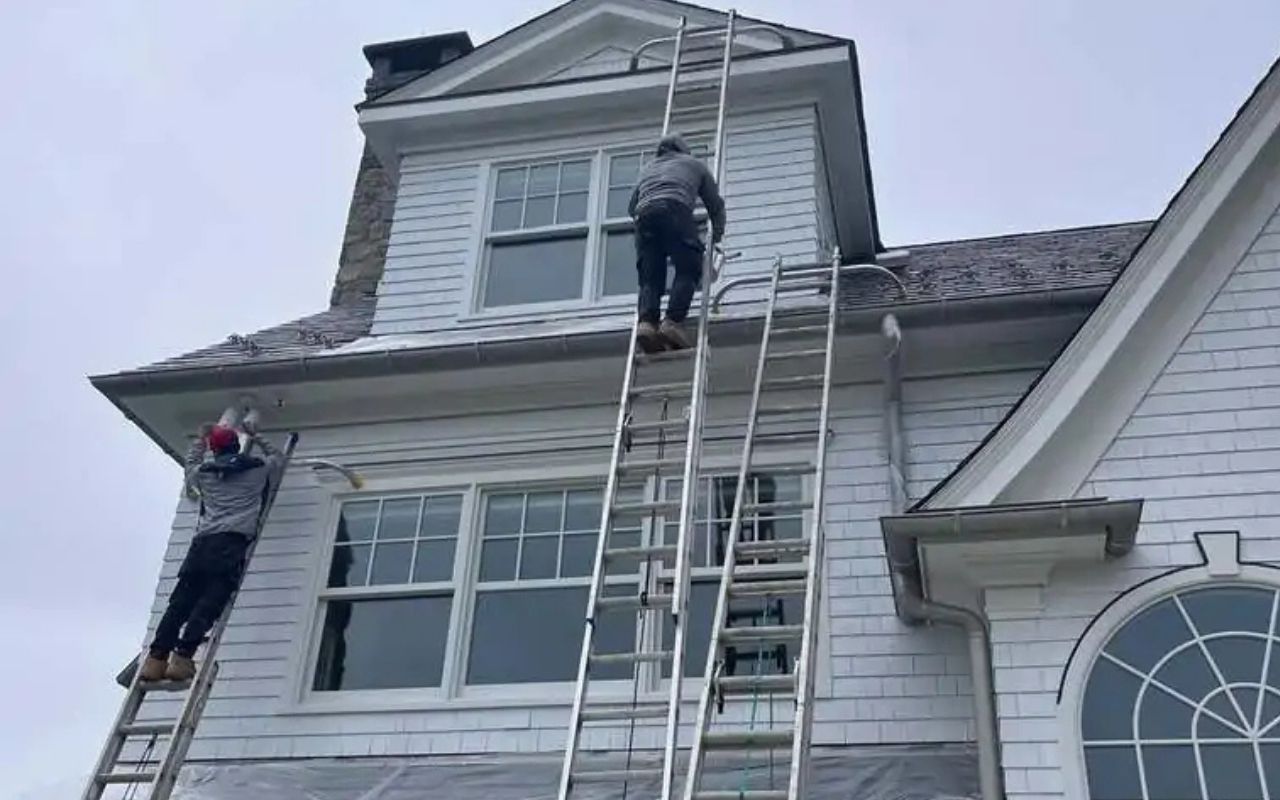
Picture your home with a clean, fresh finish that lifts its whole look. However, great results start long before paint goes on. Our exterior painting prep checklist helps you avoid peeling, stains, and uneven color while making each step easier to follow.
At BVL Painting & Carpentry, we know careful prep protects both beauty and durability. Therefore, this guide breaks the work into simple actions that help you plan better, work safer, and get a finish that lasts through changing weather.
Review Your Home Before Starting Any Outdoor Painting
The first part of an exterior painting prep checklist is checking every wall, corner, and trim board. Look for peeling paint, cracks, soft wood, mildew, and open gaps. Also, inspect around windows, doors, soffits, and eaves because water problems often start there.
As you walk around, make notes and group issues by priority. This helps you prep house for exterior painting in a more organized way. At BVL Painting & Carpentry, we suggest checking higher areas from the ground first before using ladders.
Wash Exterior Areas So New Paint Bonds Better
Next, remove dirt, chalky residue, mildew, and pollen from every surface. In many cases, a careful rinse and mild cleaner work well, while stubborn spots may need extra scrubbing. As a result, the paint has a cleaner base and a better grip.
Be sure to clean siding before painting and allow enough drying time afterward. Usually, surfaces need one to two full days to dry well. BVL Painting & Carpentry recommends removing light fixtures and covering trim details while walls dry fully.
Fix Weak Spots And Remove Loose Paint With Care
After cleaning, repair damaged areas before moving ahead. Remove loose chips, smooth rough edges, and replace rotted boards where needed. If old coating is lifting, scrape old paint exterior areas until the remaining edge feels firm and even.
Then fill cracks, seal joints, and sand patched spots so they blend into the surface. These repairs matter because they help the new finish look smooth. In our experience at BVL Painting & Carpentry, strong repairs support longer-lasting results.
Choose Supplies That Match Your Surface And Goals
The right paint and tools make the work simpler and the finish more even. For most homes, acrylic exterior paint is a dependable choice because it handles weather changes well. Likewise, the right brushes, rollers, tape, ladders, and drop cloths keep the job moving smoothly.
An exterior painting prep checklist should also include primers and patch products that fit your siding type. BVL Painting & Carpentry often reminds homeowners to match tools to wood, brick, or stucco so each surface gets the care it needs.
- Pick brushes that fit trim, grooves, and edges.
- Use drop cloths that stay in place outdoors.
- Choose primer based on the wall material.
Cover Landscaping And Surrounding Areas Before Painting Begins
Before opening any paint, protect the spaces around your home. Cover walkways, outdoor furniture, shrubs, and garden beds so splatters do not create extra cleanup. In addition, trim back branches that touch siding and may brush against fresh paint.
These exterior surface prep steps help protect the rest of your property while keeping the project neat. At BVL Painting & Carpentry, we also suggest taping glass, frames, and fixtures carefully. You can read more in our fall maintenance guide.
- Cover plants with breathable sheets when possible.
- Tape windows and doors before priming starts.
- Move outdoor items away from work zones.
Prime Surfaces Well And Apply Paint In Stages
Primer helps seal bare spots, block stains, and improve adhesion, so this stage should never be rushed. Once primer dries, begin the first coat from the top down. This exterior painting prep checklist works best when each layer is even and controlled.
Keep a wet edge as you paint, and work in sections for a more uniform finish. If you want more guidance before starting, visit our exterior painting tips page for useful ideas and planning support.
- Prime repaired patches and bare wood first.
- Start high and work downward in order.
- Let each coat dry before adding another.
Frequently Asked Questions
How far ahead should I plan outdoor painting work?
Ideally, start planning several days before painting day. That gives you time to inspect surfaces, clean thoroughly, gather tools, and watch the forecast. Therefore, the full exterior painting prep checklist becomes easier to manage without rushing key steps.
Why is prep so important before exterior paint?
Prep helps paint stick better, look smoother, and last longer. Without it, dirt, moisture, and loose paint can ruin the finish early. Because of that, careful prep often saves money by reducing future repairs and repainting needs.
How do I know if siding is dry enough?
Usually, siding should feel fully dry to the touch and show no damp spots, especially near seams or shaded areas. Weather matters too, so extra drying time may be needed after washing. Dry walls help primer and paint bond more evenly.
Can I paint if a few spots still look rough?
It is better to fix rough areas first. Even small flaws can show through fresh paint and affect the final look. For that reason, smooth edges, seal gaps, and patch damage before you move on to primer or finish coats.
When should I call a professional team?
If your home has rot, high walls, major peeling, or tricky repairs, professional help can make the project safer and more reliable. BVL Painting & Carpentry can help homeowners plan the work clearly. You can reach us through our contact page.
Complete Final Checks And Protect Your Finished Exterior
Once the last coat dries, inspect the home in different light and fix any missed spots. Also, remove tape carefully, reinstall fixtures, and clean the area well. This final pass gives your exterior painting prep checklist a strong finish and helps your home look polished.
At BVL Painting & Carpentry, we believe good prep creates better results from start to finish. When you follow the process with care, your home gains a cleaner look, stronger protection, and a finish that holds up season after season.