
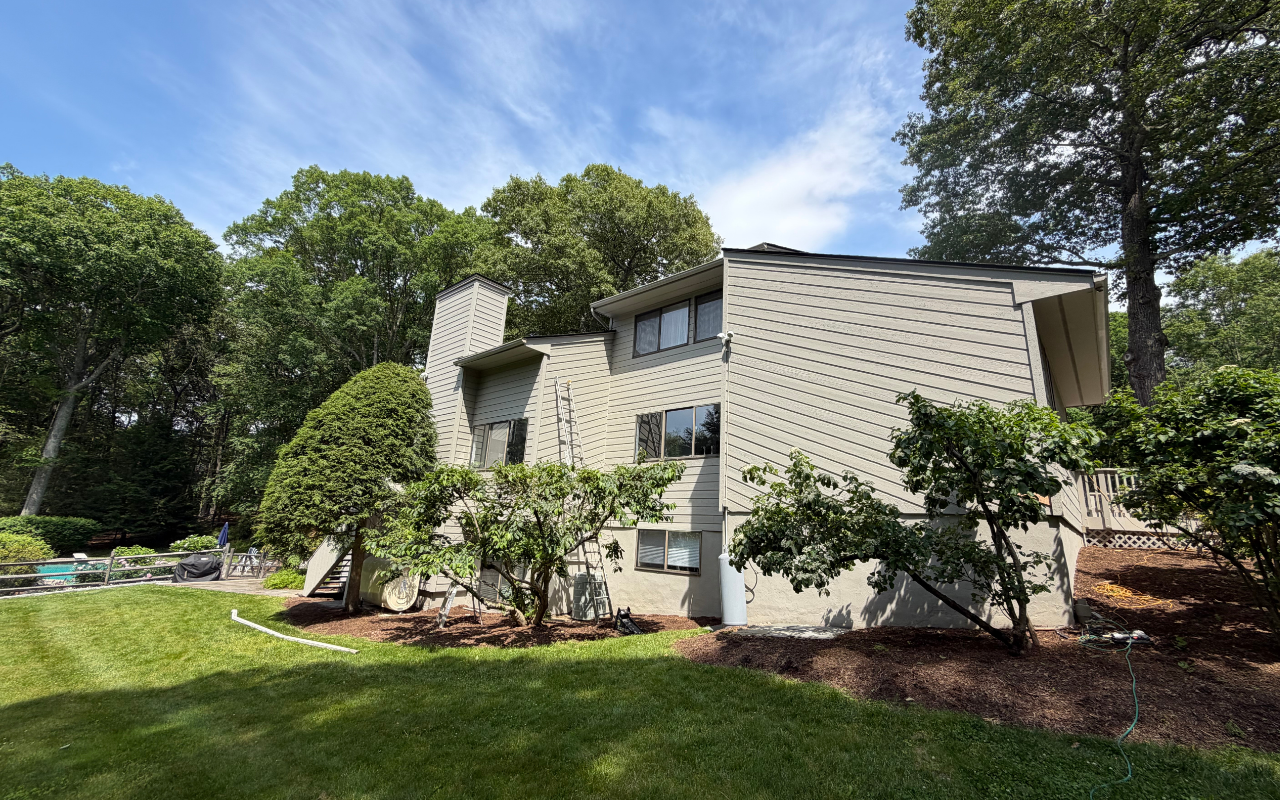
Summer heat can fade, crack, and weaken the finish on your home. Direct sunlight also places extra stress on siding, trim, and other painted surfaces. Simple steps can help you prevent exterior paint damage before small signs of wear become larger problems.
At BVL Painting & Carpentry, we believe regular care is one of the best ways to keep an exterior looking fresh. Understanding how to protect exterior paint can help preserve its color, finish, and overall condition during hot weather.
How Heat and Sun Affect Exterior Paint
Strong sunlight can break down paint pigments and cause colors to fade. Heat also makes exterior materials expand during the day and contract as temperatures fall. This movement can weaken the paint film and create cracks, peeling areas, or small bubbles.
Moisture can make the problem worse. Water may enter through damaged areas and become trapped beneath the coating. Early exterior paint maintenance can prevent exterior paint damage and reduce the risk of further wear on siding, trim, and other exposed surfaces.
Choose Materials Made for Hot Conditions
Paint and primer should match the surface, climate, and level of sun exposure. Our team at BVL Painting & Carpentry can evaluate these factors before work begins. A flexible exterior coating may handle normal expansion and contraction better than a product not made for outdoor use.
- Choose exterior paint designed for strong sunlight.
- Use a primer that suits the siding material.
- Consider lighter colors for highly exposed walls.
- Select a sheen that supports cleaning and durability.
The finish also affects appearance and maintenance. This exterior paint sheen guide explains how different options may perform on common outdoor surfaces.
Prepare Exterior Surfaces Before Applying Paint
Good preparation helps paint bond to the surface. Dirt, chalk, loose paint, and mildew can keep a new coating from holding properly. Exterior walls should be cleaned carefully and allowed to dry before primer or paint is applied.
Cracks, open joints, and damaged wood also need attention. Caulk can close suitable gaps, while weak or rotted materials may need repair or replacement. A smooth and stable surface supports better painted siding care and helps the finish resist hot weather.
When Should You Inspect Painted Siding?
Inspect the exterior several times each year, especially before and after the hottest months. With BVL Painting & Carpentry, you can identify areas that may need cleaning, touch-ups, or closer evaluation. Early action can prevent exterior paint damage from spreading across a larger surface.
- Look for fading on walls that receive direct sun.
- Check trim, corners, and joints for cracks.
- Watch for peeling, bubbling, or chalky residue.
- Inspect areas near gutters for moisture marks.
- Note any exposed wood or damaged siding.
Clean Painted Surfaces Without Causing Damage
Dirt, pollen, and airborne pollutants can collect on exterior walls. Gentle washing helps remove this buildup and keeps the finish looking cleaner. Use a soft brush, sponge, or low-pressure garden hose instead of aggressive washing methods that may loosen paint.
Test any cleaning solution on a small area first. Avoid scrubbing too hard, and rinse the surface well after cleaning. Careful washing supports exterior paint maintenance without placing unnecessary stress on siding or trim.
Reduce Direct Sun and Moisture Exposure
Shade can lower the temperature of painted walls and reduce direct ultraviolet exposure. Awnings, covered areas, trees, and shrubs may provide useful protection when they are placed and maintained correctly.
- Trim branches that rub against painted siding.
- Keep shrubs far enough away for airflow.
- Direct gutters and downspouts away from walls.
- Repair leaks that leave surfaces damp.
- Use shade where sunlight is strongest.
Sun exposure may cause fading, cracking, or uneven color. Our guide to sun damage on exterior paint explains common warning signs and practical ways to limit weather damage paint problems.
Frequently Asked Questions
How often should exterior paint be inspected?
Check painted surfaces several times during the year and after periods of strong heat, heavy rain, or high wind. At BVL Painting & Carpentry, we recommend paying close attention to sunny walls, trim, joints, and areas near gutters. Our guide on protecting exterior paint provides more useful care steps.
Can dark exterior colors fade faster?
Dark colors may absorb more heat and can show fading sooner on surfaces with long hours of direct sun. Product quality, surface preparation, and exposure also affect performance. Review our paint sheen guide when comparing finish options for outdoor areas.
Does washing help exterior paint last longer?
Gentle washing removes dirt and pollutants that can make the finish look dull. It also makes peeling, cracks, and moisture stains easier to notice. Use mild products and low water pressure to avoid harming the coating.
Common signs include fading, peeling, bubbling, cracking, and chalky residue. Walls with strong afternoon sun may show damage first. Our resource about exterior paint sun damage can help you recognize changes that need attention.
When is professional help useful?
Professional evaluation may be useful when damage covers a large area, paint keeps peeling, or the siding underneath appears weak. It can also help when high walls, difficult access, or surface repairs make the project harder to complete safely.
Keep Your Exterior Ready for Hot Weather
Regular inspections, gentle cleaning, suitable materials, and timely repairs can protect exterior paint through hot summer conditions. These habits also help maintain color and reduce the chance that small cracks or peeling areas will become larger concerns.
When you choose BVL Painting & Carpentry, we can help you assess worn surfaces and plan the right next step for your home. To discuss your exterior painting needs, use our contact page and share the areas affected by heat, sun, or moisture.