
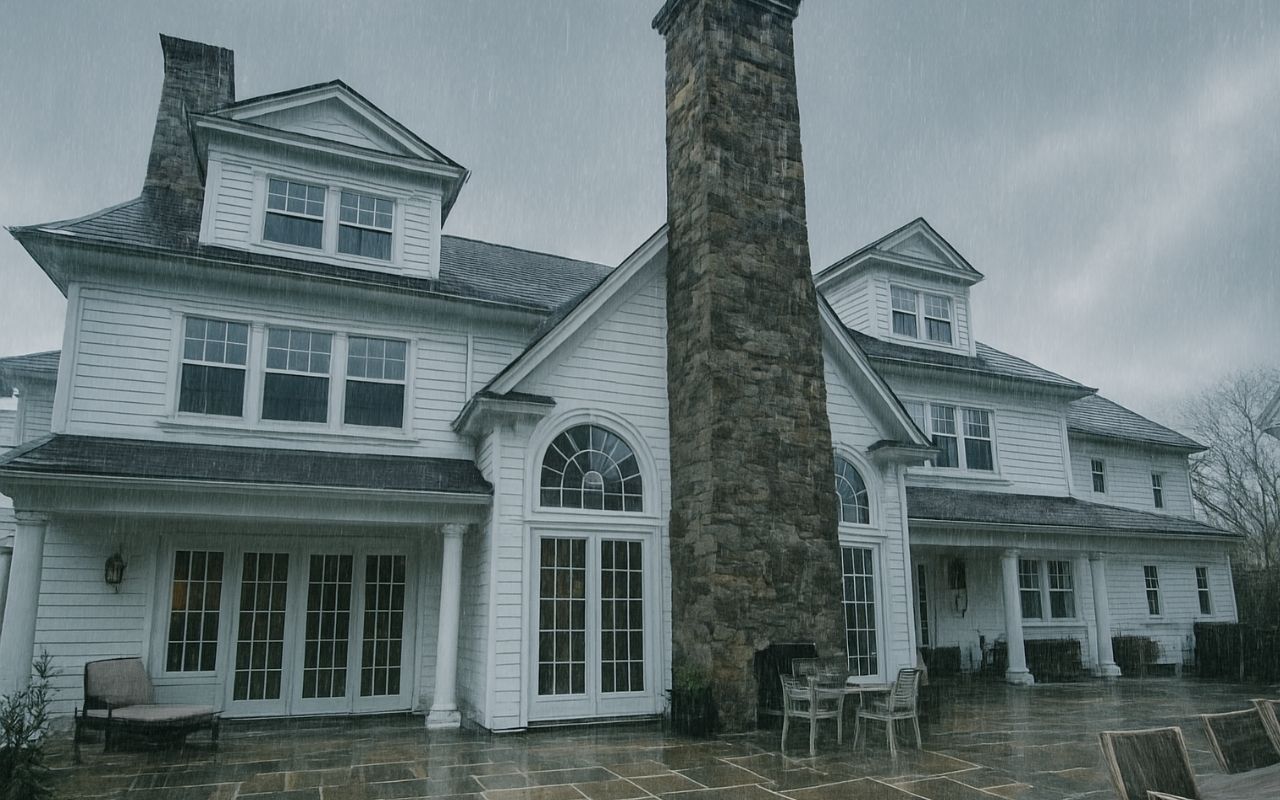
Spring rain and exterior paint can work together when you plan with care. At BVL Painting & Carpentry, we know how fast weather can change, and that is why timing matters from the start.
Moreover, wet air can slow drying and hurt the final look. So, this guide explains simple ways to protect your home, avoid damage, and help your paint last through the season.
Choose Paint That Handles Spring Weather Better
Spring rain and exterior paint demand products that can handle damp air and mild temperature swings. At BVL Painting & Carpentry, we often suggest high-quality acrylic latex paint because it bends well, dries evenly, and stands up to moisture.
In addition, satin and semi-gloss finishes can help water slide off more easily. As a result, your siding and trim stay protected longer, even when spring showers arrive sooner than expected.
Understand How Moisture Affects Fresh Exterior Coats
Moisture can stop paint from drying the right way. Therefore, when surfaces stay damp, the finish may peel, bubble, or lose its grip on wood, stucco, or siding.
Also, spring moisture and paint can create problems below the surface when water gets trapped. At BVL Painting & Carpentry, we always check for dry conditions first, because that small step helps prevent major repairs later.
Watch Weather Conditions Before You Start Painting
Good timing makes a big difference with spring rain and exterior paint. Ideally, plan work for days with mild temperatures, lower humidity, and no rain expected for at least 24 to 48 hours.
Even so, weather apps alone may not tell the full story. So, we also look at morning dew, shade, and airflow around the home to spot a safer painting window.
- Pick days between 50°F and 85°F when possible.
- Wait until morning dew has fully dried.
- Avoid painting when humidity stays very high.
Prepare Exterior Surfaces So Paint Adheres Well
Before painting, clean every surface well and repair damage right away. For example, loose paint, small cracks, and rotten trim should be fixed first, because new paint will not hide deeper problems.
Likewise, dry time after washing matters just as much as cleaning itself. BVL Painting & Carpentry takes prep seriously, since strong results usually begin long before the first coat goes on.
- Wash off dirt, mildew, and loose debris.
- Seal gaps with exterior caulk where needed.
- Sand glossy spots so the new coat grips better.
Protect Fresh Coats When Showers Move In
Sudden showers are common in spring, yet you can still lower the risk. To protect exterior paint from rain, keep breathable canvas tarps ready so fresh areas stay covered without trapping heavy moisture underneath.
At the same time, keep tools and paint containers dry and organized. That way, if clouds move in fast, you can react quickly and keep the finish as clean as possible.
- Use breathable tarps instead of plastic when possible.
- Secure covers quickly with clamps or hooks.
- Keep work areas clear to avoid messy splashes.
Manage Drying Time During Damp Spring Days
Drying time can change a lot in spring. In general, exterior paint drying weather works best with light air movement, low humidity, and steady warmth through the day.
However, damp air may double the wait between coats. Because of that, BVL Painting & Carpentry follows product directions closely and avoids rushing, since fast decisions often lead to rough finishes.
Frequently Asked Questions
Can rain ruin fresh exterior paint?
Yes, can rain ruin fresh exterior paint is a real concern when paint has not cured enough. Therefore, it is best to avoid painting if rain may arrive within the next day or two.
What kind of paint works best in spring?
Most homes do well with quality acrylic latex exterior paint. In many cases, it handles changing temperatures better and gives a more reliable finish in damp conditions.
How do I know when the surface is dry enough?
Look for fully dry siding, trim, and caulk before painting. Also, avoid surfaces with cool damp spots, since they can affect how well the coating bonds.
What should I do if paint starts bubbling?
First, stop and find the cause. Then remove loose areas, let the surface dry fully, and repaint only when conditions improve.
Where can I get more help for my home?
You can review our exterior painting tips, use our rainy season gutter cleaning checklist, or contact our team for direct support.
Maintain Painted Surfaces To Extend Their Life
Once the work is done, regular care helps the finish stay strong. For that reason, clean dirt early, check gutters often, and fix small cracks before water gets behind the paint.
BVL Painting & Carpentry believes lasting results come from smart upkeep as well as proper application. In the end, spring rain and exterior paint are easier to manage when your home gets steady attention year after year.