
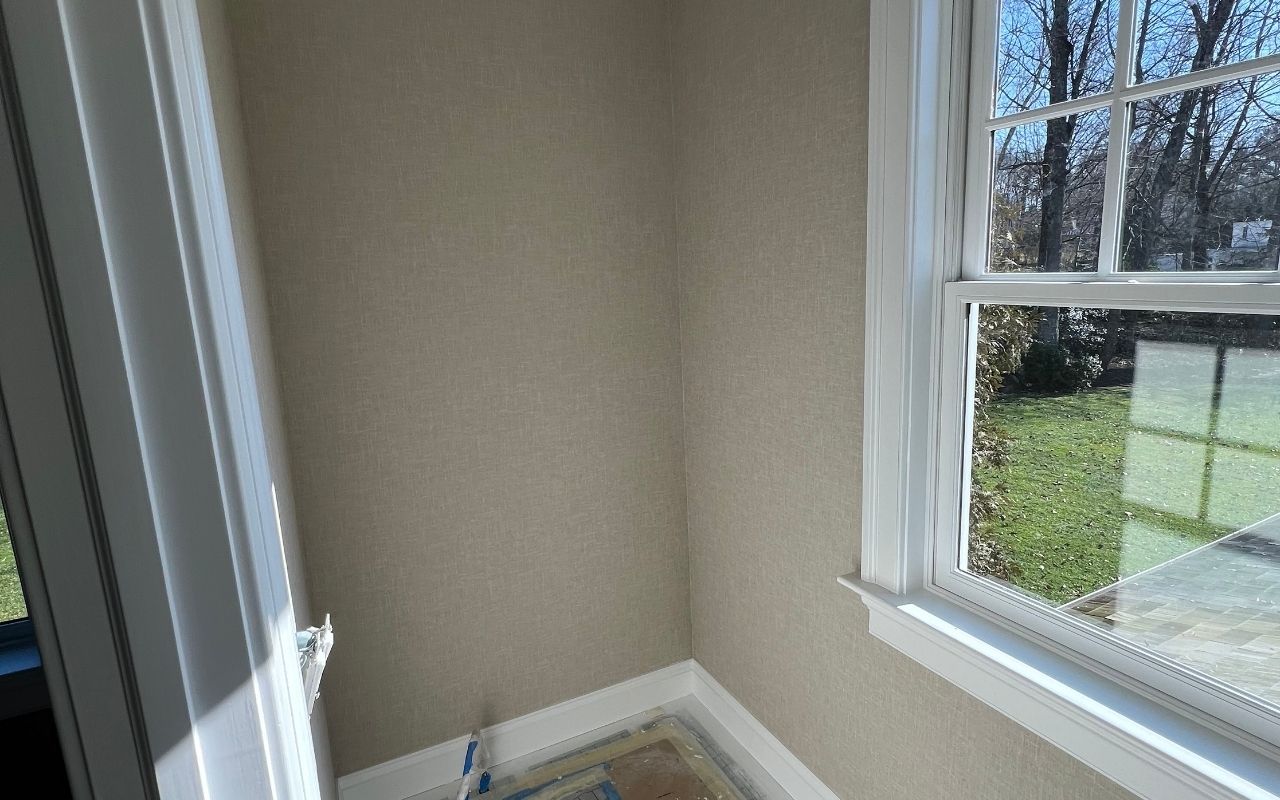
Resolving wallpaper problems indoors can feel stressful at first. Yet, many fixes are simple and quick. You might see peeling wallpaper seams or wallpaper bubbles walls that ruin the look. However, you can often solve them with basic tools and calm steps.
This guide explains how to handle moisture damage wallpaper and old wallpaper issues with clear advice. Plus, you’ll learn how to keep walls neat for longer. When you need extra help, BVL Painting & Carpentry can guide you toward the right next step.
Spot Common Wallpaper Trouble Fast
Start with a quick walk through your home and check each wall in good light. Wallpaper problems indoors often appear where strips meet. Look for gaps, lifted edges, or loose patches. Also, small bubbles may seem minor, but they can spread over time.
Next, consider the wallpaper’s age and the room’s moisture level. In humid spaces, moisture damage wallpaper can show up near corners and fixtures. Likewise, older paper may peel or fade as glue weakens. If you want a clean restart, see wallpaper removal options that fit your space with BVL Painting & Carpentry.
- Check seams, corners, and outlets first
- Note any bubbles, stains, or soft spots
- Watch humid rooms for early moisture signs
Fix Peeling Wallpaper Seams Without Stress
For peeling wallpaper seams, lift the loose edge slowly. Then, use a clean blade to trim along the seam, so the edge stays neat. After that, wipe the wall and the backing with a damp cloth to remove dust and old glue. Let the area dry fully before you paste again.
Next, apply a thin layer of seam adhesive on the wall and the backing. Press the seam into place and smooth it gently with a seam roller. Also, wipe away extra paste right away, because dried glue can stain. If you prefer a pro-level finish, BVL Painting & Carpentry can help you avoid repeat lifting in high-traffic rooms.
Smooth Out Wallpaper Bubbles Walls Step by Step
Wallpaper bubbles walls often happen when air or extra paste gets trapped. First, prick the bubble with a fine pin to make a tiny hole. Then, press from the center outward using a clean cloth or smoother. This helps push air out while keeping the surface flat.
For larger bubbles, inject a small amount of adhesive into the hole using a syringe or narrow-tip bottle. After that, smooth again and remove extra paste with a damp sponge. Once dry, the patch often blends better than you expect, especially when you take your time.
- Puncture the bubble with a pin
- Press outward to release trapped air
- Add adhesive only if the bubble returns
Handle Moisture Damage Wallpaper the Right Way
Moisture damage wallpaper usually starts with a leak, condensation, or poor airflow. So, find the source first. Check windows, plumbing areas, and exterior walls. Then, fix leaks and improve ventilation before you touch the wallpaper repair, because dampness can undo your work.
Once the wall is fully dry, remove loose paper and trim damaged areas. For a small patch, cut a clean shape and fit a matching piece. Align the pattern carefully, apply paste, and smooth it down. For bigger damage, replacing a full strip may work better. In tough cases, BVL Painting & Carpentry can recommend moisture-friendly wall prep and longer-lasting finishes.
Remove Old Wallpaper Issues Cleanly
Old wallpaper issues can make walls look tired, even if the paper once looked great. Begin by covering floors and furniture. Then, lightly score the surface so your solution can soak through. Spray warm water with a little dish soap, or use a wallpaper remover, and let it sit for a few minutes.
Next, scrape with a wide putty knife in small sections. Keep spraying as needed, because steady moisture helps release the glue. After removal, wash the wall to clear residue and let it dry. If you want guidance before redoing a room, BVL Painting & Carpentry shares helpful prep insights on how long wallpaper lasts.
Choose Tools That Make Repairs Easier
Having the right tools turns wallpaper problems indoors into manageable tasks. Start with a utility knife, seam roller, smoothing brush, and a small tray for adhesive. Also, keep a fine pin for bubbles and a narrow tip bottle for neat glue control.
For removal work, a scorer and a sturdy scraper help a lot. A steamer can also speed up stubborn sections. While tools matter, technique matters too, so careful pressure and clean edges will give you the best result.
- Seam roller and smoother for flat finishes
- Pin and syringe for bubble repair
- Scorer and scraper for removal projects
Prevent Wallpaper Problems Indoors Before They Start
Prevention saves time and keeps walls looking sharp. First, make sure walls are clean and dry before hanging new paper. Use primer-sealer to support better bonding and reduce old wallpaper issues later. Also, manage humidity with fans in kitchens and baths, because that lowers the risk of moisture damage wallpaper.
Check edges now and then, and press them lightly if you notice lifting. Fixing a tiny flaw early is easier than repairing a large section later. If you are planning a full refresh, explore wallpaper removal and prep to set up smoother results with BVL Painting & Carpentry.
Frequently Asked Questions
What causes wallpaper problems indoors most often?
Humidity, weak adhesive, and poor wall prep are common causes. Also, older paper can fail as glue breaks down.
How do I stop peeling wallpaper seams from coming back?
Clean both surfaces, use seam adhesive, and press firmly with a roller. Then, keep humidity steady in the room.
Why do wallpaper bubbles walls appear after installation?
Air pockets, too much paste, or uneven smoothing can cause bubbles. Small punctures and careful smoothing usually fix them.
Can I repair moisture damage wallpaper without replacing the whole wall?
Yes, if the damage is small and the wall is dry. However, larger wet areas may need a full strip replacement.
When should I remove wallpaper instead of repairing it?
If the paper is brittle, stained, or lifting in many spots, removal may be easier. In that case, BVL Painting & Carpentry can help you plan the next finish.
Keep Walls Looking Fresh and Bright
Dust walls often with a soft cloth, then wipe gently with a damp sponge and mild soap when needed. Avoid soaking the paper, because excess water can weaken glue and trigger wallpaper bubbles walls again. Also, move furniture now and then to reduce dents and fading in one area.
Limit harsh sunlight with curtains or blinds, especially on delicate patterns. For stains, test a small hidden area first. With steady care, your wallpaper will keep its color and shape longer, and your rooms will feel cleaner and more finished.
Simple Steps That Refresh Your Space
Wallpaper problems indoors can look frustrating, yet they are often fixable with simple steps. When you spot issues early, you can manage peeling wallpaper seams, moisture damage wallpaper, and old wallpaper issues with more confidence. Plus, the right tools make every repair smoother.
If you want a clean reset, visit the BVL Painting & Carpentry contact page to discuss your walls and plan the best next move with BVL Painting & Carpentry.