
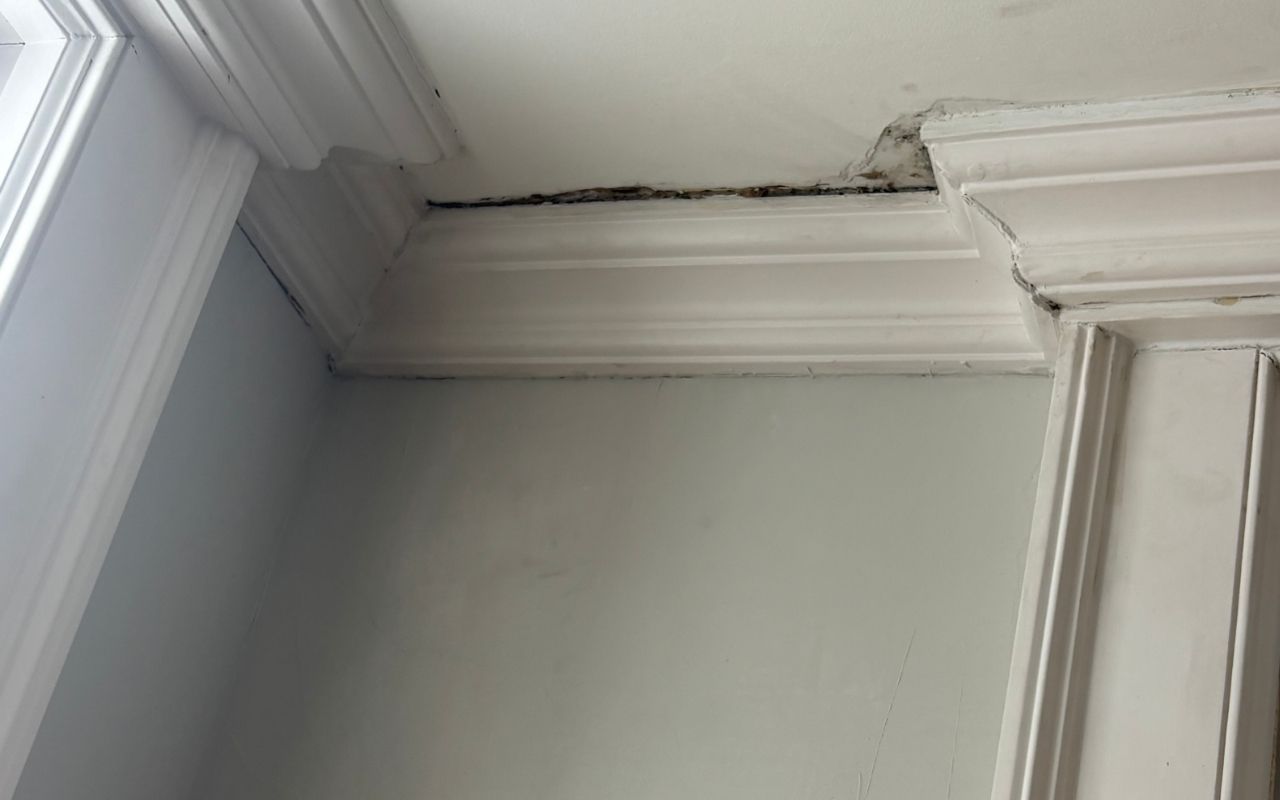
Guarding Your Home: Avoiding Winter Wood Damage Indoors. Experience the subtle yet powerful effects of winter on your home’s wood interiors. As the temperature drops, the air inside your home becomes drier, quietly inviting issues like dry air wood damage and cracked trim.
You might not notice these changes at first. Yet over time, the wooden features you cherish can warp, crack, or show gaps around doors. Simple habits and steady humidity can help prevent winter wood damage indoors and keep your space comfortable.
Why Indoor Humidity Matters in Winter
Maintaining balanced humidity helps prevent dry air wood damage and reduces interior wood shrinkage. When indoor air dries out, floors, cabinets, and trim lose moisture. As a result, they contract and may crack. BVL Painting & Carpentry often sees these changes start when humidity drops too low.
- Below 30% humidity, wood may split or pull away from fasteners.
- Between 40% and 60% humidity, wood stays more stable and strong.
- Too much humidity can cause swelling, warping, and even mold.
Use a simple hygrometer in living rooms and bedrooms. That way, you can spot shifts early and reduce winter wood damage indoors before it spreads.
Common Signs of Winter Wood Damage Indoors
One of the first signs of winter wood damage indoors is small cracks on furniture, trim, or molding. Because winter air is drier, wood can lose moisture fast. Over time, those hairline splits can deepen and turn into bigger repairs. BVL Painting & Carpentry recommends quick checks during cold weeks.
- Hairline splits in molding or trim
- Chipping near door frames
- Floor or cabinet surfaces that feel uneven
Another clear clue is door gaps winter can create. As wood contracts, doors may stick, scrape, or stop latching. If you notice these changes, act early to limit winter wood damage indoors.
How Temperature Swings Stress Interior Wood
Rapid shifts from warm indoor heat to cold outdoor air can push wood to expand and shrink again and again. This movement strains wood fibers. Therefore, it may lead to splitting or warping in floors, paneling, and trim. BVL Painting & Carpentry often sees stronger effects near drafty windows and doors.
- Keep a steady indoor temperature to reduce stress on wood.
- Seal drafts to limit sharp hot-cold changes near trim and doors.
- Check areas close to windows, entry doors, and exterior walls.
These swings also affect moisture balance. Warm air holds more moisture, yet heated air often feels dry. Then, as temperatures drop at night, moisture shifts again. Over time, that cycle can loosen joints and worsen winter wood damage indoors.
Best Moisture Range to Protect Wood Indoors
A target humidity of 40% to 60% helps wood stay steady while avoiding mold risks. This range supports wood fibers, so they stay flexible without soaking up too much water. BVL Painting & Carpentry suggests monitoring key rooms, including living areas and bathrooms.
When levels drift, small changes can help. For instance, a bowl of water near a heat vent can add moisture. Meanwhile, a dehumidifier can help in damp spaces. These steps limit interior wood shrinkage and reduce dry air wood damage through the season.
Winter Maintenance Tips for Interior Woodwork
Regular cleaning and gentle polishing can reduce winter wear on wood surfaces. Dust can scratch finishes, especially when wood is shifting slightly in dry conditions. So, use a soft cloth and apply a quality polish every few weeks. BVL Painting & Carpentry often recommends this routine to reduce cracked trim winter issues.
- Dust with microfiber to prevent fine scratches.
- Polish lightly to support the finish and slow moisture loss.
- Inspect trim, cabinets, and door frames for early cracks.
Focus on high-use areas. Tighten loose screws and hinges so gaps do not widen. If small cracks appear, sand gently and add matching filler. This helps prevent winter wood damage indoors from getting worse.
Ventilation Helps Keep Wood Stable
Good ventilation supports balanced moisture and reduces mold risk on wood surfaces. By moving stale air out and fresh air in, you prevent damp pockets that can cause swelling. Kitchen and bathroom vents matter most because cooking and showers add moisture fast.
On milder days, open windows briefly. This can refresh indoor air without dropping temperatures too much. As a result, your home stays healthier, and wood elements face fewer moisture swings.
Using Humidifiers and Dehumidifiers the Right Way
Humidifiers add moisture when heated air becomes too dry. That helps reduce interior wood shrinkage and can also cut static. Place units in main living spaces, but not right against wood surfaces. Clean them often so the moisture stays fresh and safe.
Dehumidifiers help in damp areas like basements and bathrooms. By pulling extra moisture from the air, they reduce warping and mold risk. Run them a few hours per day as needed. This way, you avoid extremes that can lead to winter wood damage indoors.
Protecting Doors and Trim During Cold Months
Weather stripping around doors and windows reduces drafts and supports steadier humidity. It also minimizes door gaps winter can create, so doors close smoothly without rubbing. Choose a strip that fits the frame neatly for a cleaner look.
Also, refinishing trim can create a barrier against dry air wood damage. A clear polyurethane or natural oil finish can help lock in moisture. Pay extra attention to edges and corners, since they dry out faster and can lead to cracked trim winter concerns.
Frequently Asked Questions
What causes winter wood damage indoors?
Indoor heat lowers humidity. As a result, wood can dry out, shrink, and crack. Temperature swings can also stress wood joints and finishes.
What is a safe indoor humidity level for wood?
A range of 40% to 60% is commonly recommended. It helps reduce dry air wood damage while limiting mold risk.
Why do I notice door gaps in winter?
Door gaps winter brings often come from wood shrinking as it loses moisture. This can change the fit of doors inside their frames.
How can I spot early cracked trim in winter?
Look for hairline splits, small chips near corners, or seams that look wider than usual. Early checks help stop cracks from spreading.
What should I do if I see interior wood shrinkage?
Start by checking humidity with a hygrometer. Then add moisture with a humidifier if needed, and keep indoor temperature more consistent.
Keep Your Wood Interiors Looking Great All Winter
Winter can strain wood through dry air wood damage and shifting temperatures. However, small steps can help. Balance humidity, improve airflow, and care for surfaces often. If you want design ideas that also support long-term durability, explore BVL Painting & Carpentry’s craftsmanship on the custom woodworking design for modern interiors page.
Also, if you are refreshing finishes this season, see practical inspiration on top trends in home carpentry finishes. When you notice cracked trim winter issues or door gaps, taking action early can reduce winter wood damage indoors. For project guidance tailored to your home, reach out through the BVL Painting & Carpentry contact page.