
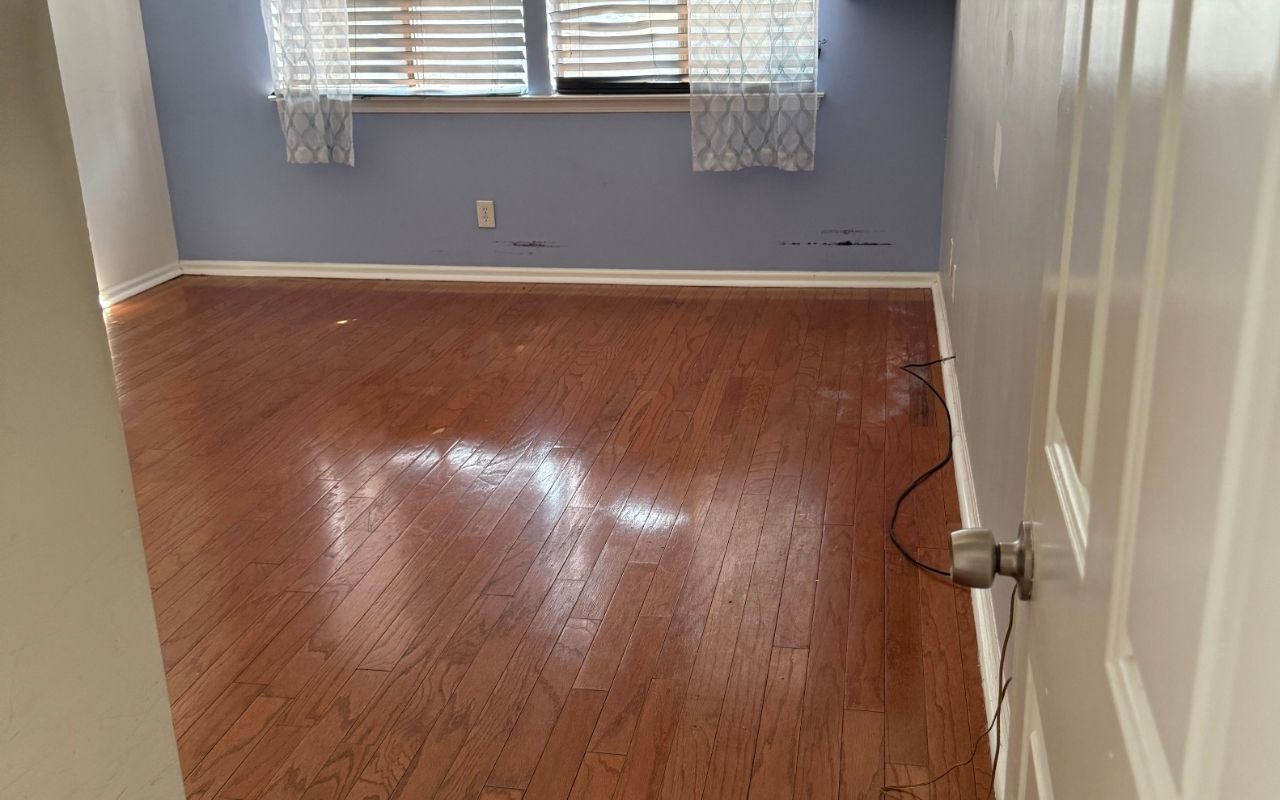
Remember how bright your living room once felt? Over time, walls can lose that fresh look. That is why Interior paint wear signs matter, because small issues can grow fast. With BVL Painting & Carpentry, you can learn what to watch for and act sooner.
From dull areas to lifting paint, each clue tells a story. If you notice small cracks or rough spots, do not ignore them. Instead, look closer and respond early. That way, you protect both your style and your wall surface.
Why noticing paint wear early matters
Your walls do more than look nice. They also help block dust and everyday moisture. So, when Interior paint wear signs show up, the wall below may take in moisture. As a result, you could face mold or damage later.
Therefore, a quick check every few weeks can help. Small chips or light stains often come first. If you catch them early, you may avoid bigger repairs. BVL Painting & Carpentry often reminds homeowners that small fixes now can prevent large headaches later.
- Look at walls near windows and vents.
- Check corners, trim lines, and areas behind furniture.
- Note any new spots, marks, or texture changes.
Fading colors and what they can tell you
Walls fading can make a room feel tired. Usually, the change looks uneven. For instance, areas near windows may lose color faster. While it looks cosmetic, it can also point to heavy sun exposure or weak paint.
However, you can reduce future fading with smart steps. Use better paint, and consider a primer that helps block light. Also, if sunlight hits the same area daily, simple window coverings can help keep color steady.
- Watch for dull bands near windows and lamps.
- Compare shaded walls to sunlit walls.
- Plan touch-ups before the whole room looks uneven.
Peeling paint and how to stop it
Wall paint peeling is often easy to spot. Paint may lift, curl, or flake off in small sheets. Often, moisture plays a role. Likewise, poor prep or the wrong paint can cause weak grip on the wall.
So, fix peeling fast. First, remove loose paint and smooth the area. Next, apply a primer made for tough surfaces. Then repaint with a quality interior product. If peeling keeps coming back, check for leaks or poor airflow, because moisture may be the real cause.
- Scrape off loose paint until the edges feel firm.
- Sand lightly for a smooth, even surface.
- Prime first, then repaint for better hold.
Cracks in paint and why they appear
Paint cracking indoors can start as tiny lines. Still, those lines may spread with time. Changes in humidity, slight wall movement, or thick paint layers can all play a part. Therefore, small cracks deserve attention.
To fix them, clean the area and fill gaps with a flexible filler. After that, sand smooth, prime, and repaint. Also, keeping indoor moisture steady can help prevent repeat cracks. BVL Painting & Carpentry can also help you spot the cause if cracks keep returning.
Dealing with uneven patches and blotchy areas
Uneven patches can look worse under side lighting. Often, they come from uneven rolling, poor mixing, or missed overlap. Yet, you can correct them with a few careful steps.
First, lightly sand the rough areas. Then, apply a smooth primer coat. Afterward, stir paint well and roll with even pressure. Finally, work in small sections and keep a wet edge, so you avoid lines and dull spots.
Frequently Asked Questions
What are the most common Interior paint wear signs?
Fading, peeling, chips, stains, and small cracks are common. Together, they signal the paint is losing strength.
Can Interior paint wear signs lead to wall damage?
Yes. If paint fails, moisture can reach the wall surface. Over time, that can cause swelling, stains, or mold.
How can I tell if fading is from sunlight?
Compare a wall area behind décor to an exposed area. If the exposed area looks dull, sunlight is likely involved.
Should I repair small cracks right away?
Yes. Small cracks can spread. Also, they can trap dust and moisture, which may worsen the problem.
When should I contact a professional painter?
If peeling is wide, stains keep returning, or cracks look deep, it is smart to call BVL Painting & Carpentry for guidance.
Simple habits that help paint last longer
Regular care can slow Interior paint wear signs. For example, wipe walls gently to remove dust. Also, keep furniture a little away from the wall to avoid scuffs. In damp rooms, use fans to lower moisture and reduce paint stress.
If you want more practical guidance, explore the interior painting tips page for room-by-room advice. Read it here:
interior painting tips.
Then, for better results before any repaint, review these prep steps:
interior paint prep tips for homeowners.
- Clean high-touch areas often, especially near switches.
- Use ventilation in kitchens and bathrooms.
- Touch up small chips before they spread.
When it helps to call an expert
Sometimes the issue is bigger than it looks. If Interior paint wear signs include wide peeling, mold, or repeated stains, you may need a trained eye. A pro can find the cause and fix it the right way.
For help with an inspection or next steps, reach out here:
contact BVL Painting & Carpentry.
This way, you can protect your walls and keep your rooms looking clean and bright.
Why acting now saves time later
Noticing Interior paint wear signs early keeps your home looking its best. More importantly, it can help you avoid bigger repairs. Whether you see dull color, peeling edges, or fine cracks, small steps now can make a big difference.
With steady care and smart repairs, your paint can last longer. BVL Painting & Carpentry can also help when you want a stronger finish and fewer repeat touch-ups. As a result, your walls stay protected and your rooms feel fresh again.