
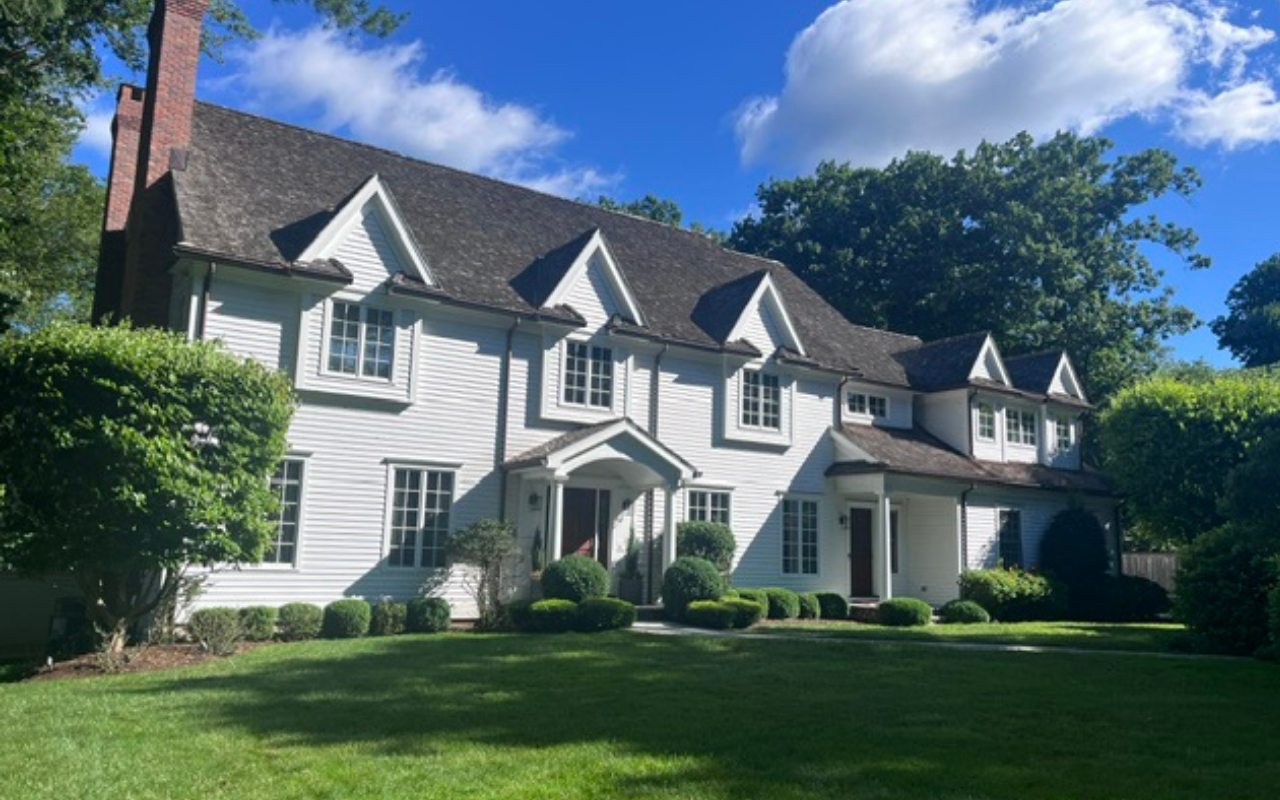
Summer heat exterior paint problems can turn a clean finish into a faded, cracked, or peeling surface. Strong sunlight, high temperatures, and trapped moisture can lead to bubbling, color loss, and early wear.
At BVL Painting & Carpentry, we look beyond the visible damage. We check what may be happening under the paint so homeowners can choose the right repair or repainting plan. Learning how sunlight damages exterior paint can also help you spot problems early.
How Summer Sun Breaks Down Exterior Paint
Strong sunlight can weaken exterior paint over time. UV paint damage affects the part of the paint that helps color stay in place. As that layer weakens, the surface may look dull, chalky, or washed out.
Long periods of direct sun can also dry out the paint. Once the finish becomes brittle, it cannot move well as siding, trim, and other materials expand in the heat. Small cracks may form and allow water to reach the surface below.
Hot-weather paint damage often appears faster on walls that face strong afternoon sun. Dark colors can also absorb more heat than lighter colors, which may add stress to the painted surface.
Common Signs of Heat and UV Damage
Heat-related paint problems can show up in several ways. Some are cosmetic at first. Others may expose wood, siding, or trim to moisture.
Warning Signs to Watch For
- Faded or uneven color on sun-facing walls
- Chalky residue that rubs off when touched
- Small bubbles or raised blisters in the paint
- Cracks near joints, trim, windows, or doors
- Peeling paint that exposes the surface below
- Dry, rough, or brittle painted areas
Paint fading in summer does not always mean the whole exterior needs repainting right away. However, widespread fading may show that the paint is losing both color and protection.
Key Takeaway
Sun and heat can weaken exterior paint before major peeling appears. Fading, chalking, bubbles, and small cracks are early signs that the surface needs attention.
Why Exterior Paint Bubbles in Summer
Exterior paint bubbling often happens when heat pushes trapped moisture or air against the paint. The pressure lifts the paint from the surface and creates blisters. When those bubbles break, nearby paint may start to peel.
Moisture can enter through cracks, open joints, damp wood, or hidden issues behind the surface. Painting before the surface fully dries can also trap moisture under a new layer.
High heat can make this problem appear faster because the top layer dries before the material below is ready. Humidity adds another challenge because it slows drying. Our guide to humidity and exterior painting conditions explains why dry surfaces and good weather matter.
| Paint Problem | Likely Cause | Best Next Step |
|---|---|---|
| Faded color | Strong sunlight and UV exposure | Check if the surface still protects the siding. |
| Paint bubbles | Trapped moisture or air under the paint | Find and fix the moisture source before repainting. |
| Chalky surface | Paint breakdown from sun and weather | Clean and prep the surface before new paint. |
| Cracks or peeling | Heat movement, poor bond, or moisture | Remove loose paint and repair the area first. |
How High Temperatures Reduce Paint Durability
Very hot surfaces can make paint dry too fast during application. When that happens, the paint may not bond well or level smoothly. This can leave rough spots, brush marks, or weak areas.
Heat damage exterior paint problems can also happen after the paint has dried. Daily temperature changes make exterior materials expand and contract. Paint that has lost flexibility may crack, chip, or separate as the surface moves.
With BVL Painting & Carpentry, you receive a careful surface review before new paint is applied. Good timing and prep can help the paint bond better and reduce avoidable problems.
Key Takeaway
Paint needs the right surface conditions to last. Extreme heat, damp materials, and poor prep can all lead to weak adhesion and early failure.
Paint Choices That Perform Better in Heat
The right exterior paint should match the surface, sun exposure, and local weather. Outdoor paints are made to handle sunlight, temperature changes, and moisture better than interior products.
Better Paint Choices May Include
- Exterior acrylic paint with strong color retention
- Flexible paint that moves with the surface
- Products made for the siding or trim material
- Primer for bare, stained, or repaired areas
- Lighter colors for walls with intense sun exposure
- Paint approved for the expected outdoor temperature
A product label can give helpful temperature and surface guidance. Still, product choice is only one part of the job. Cleaning, repairs, primer, weather, and drying time all affect the final result.
Preparation and Maintenance for Hot Weather
Good preparation helps reduce exterior paint bubbling, peeling, and early cracking. Loose paint should be removed, damaged areas should be repaired, and the surface should be clean and dry.
Hot-Weather Paint Prep Checklist
- Inspect walls, siding, trim, and joints for visible damage.
- Remove peeling paint and smooth rough edges.
- Clean away dirt, mildew, chalk, and loose debris.
- Let the surface dry before primer or paint.
- Use the right primer on bare or repaired areas.
- Avoid painting surfaces that are extremely hot from direct sun.
- Check painted areas often for new cracks or bubbles.
Simple upkeep can also limit heat damage exterior paint concerns. Washing exterior surfaces removes buildup that may hold moisture. Trimming plants away from walls improves airflow and makes damage easier to spot.
When you choose BVL Painting & Carpentry, we review the existing finish and the needs of the surface. These practical exterior painting tips can also help you understand the steps behind a cleaner and more durable result.
Key Takeaway
Prep work matters as much as paint choice. Clean, dry, repaired surfaces help exterior paint bond better and last longer in hot weather.
Frequently Asked Questions
Can summer heat cause exterior paint to peel?
Yes. Heat can weaken old or poorly bonded paint, especially when moisture sits underneath it. Repeated expansion and contraction can cause cracks that later turn into peeling. Reviewing sun damage on exterior paint can help you spot related warning signs.
Why is my exterior paint fading so quickly?
Paint fading in summer may happen because of constant UV exposure, dark colors, or paint with poor color retention. Sun-facing walls often fade first.
Yes. Humidity can keep exterior materials damp and increase the chance of trapped moisture below the paint. This can lead to bubbles or peeling when the surface heats up. Learn more about how humidity affects exterior painting.
Should I repair small paint bubbles myself?
Small areas may be repaired after the moisture source is fixed. Loose paint should be removed, edges should be smoothed, and the exposed area may need primer. The repair may fail again if the cause is not fixed.
When is the best time to paint an exterior in summer?
Choose a time when the surface is dry and not extremely hot. Follow the paint label’s temperature guidance and avoid walls in strong direct sun. Our exterior painting preparation tips explain other steps that can support a better finish.
Protect Your Exterior Before Summer Damage Spreads
Summer heat exterior paint problems are easier to manage when fading, bubbles, cracks, and peeling are found early. Timely maintenance can protect exposed surfaces and prevent small damage from becoming a larger repair.
At BVL Painting & Carpentry, we focus on careful prep and exterior painting suited to your home’s condition. Use our contact page to discuss summer paint damage and the next practical step for your exterior.