
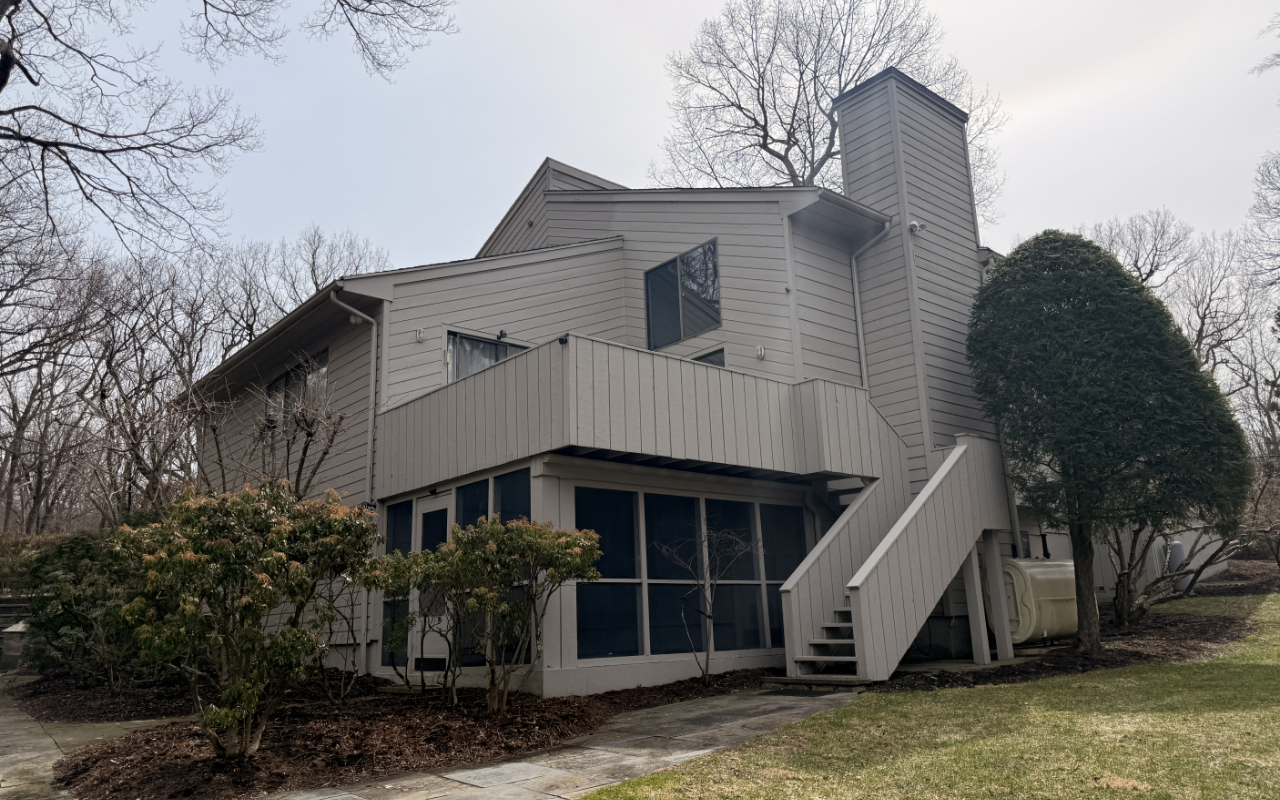
Wet weather can be hard on exposed wood. Rain and moisture can lead to swelling, cracking, fading, and surface wear. At BVL Painting & Carpentry, we use exterior wood staining services to help protect outdoor wood while keeping its natural look. Good timing and careful preparation can make a clear difference.
Staining also works best when the wood beneath it is in sound condition. If your project includes built-in features or wood details, our custom carpentry services can help you plan repairs or improvements before the finish is applied.
Why Does Exterior Wood Need Protection Before Rain?
Exterior wood constantly reacts to changes in moisture. It can absorb water during wet periods and release it as conditions dry. Over time, this movement may lead to warping, splitting, rough surfaces, and visible discoloration. An exterior wood stain helps reduce direct moisture exposure while supporting a more even appearance.
Sunlight also affects bare and poorly protected wood. UV exposure can fade color and weaken the surface over time. Timely exterior wood staining services add a protective finish before long periods of rain. We focus on preparation and careful application rather than rushing the work before changing weather.
Preparing Exterior Wood for Better Stain Results
Preparation is one of the most important parts of professional wood staining. Stain needs a clean, dry, and stable surface so it can absorb and cure as intended. If the wood has damage, loose material, old coatings, or rough areas, those issues should be addressed before staining begins.
- Inspect boards, siding, trim, and joints for visible damage.
- Remove dirt, mildew, loose finish, and surface residue.
- Allow washed or rain-exposed wood to dry completely.
- Sand rough areas when needed for a smoother surface.
- Clear dust and debris before applying the new stain.
If deterioration is visible, our exterior carpentry repair services can address damaged wood before staining. Repairing weak areas first creates a better base for the finish and supports longer-lasting wood protection outdoors.
Choosing the Right Exterior Wood Stain
The right stain depends on the surface, the condition of the wood, and the finish you want. Transparent products show more grain. Semi-transparent stains add more color while keeping much of the wood character visible. More opaque options can create stronger color coverage where that appearance is preferred.
Product type also matters. Some stains penetrate more deeply, while others dry faster or create a different finish. Manufacturer directions should guide surface preparation, application, drying time, and weather conditions. Our team at BVL Painting & Carpentry considers the wood and project needs before moving forward with a finish.
Siding deserves special attention because damaged boards can allow moisture to affect more than the visible surface. When needed, exterior wood siding repair can be completed before staining so the finished surface starts in better condition.
Professional Application for Even Lasting Coverage
Professional wood staining is not only about spreading stain across a surface. Application must stay even from one section to the next. Weather, direct sun, wind, surface temperature, and moisture can all affect how quickly the stain dries and how consistent the final finish looks.
- Check that the wood is dry and ready for coating.
- Follow the stain maker’s application and weather guidelines.
- Work in manageable sections to reduce lap marks.
- Apply a consistent amount instead of overloading the surface.
- Review the finished area for thin spots or uneven coverage.
With BVL Painting & Carpentry, we approach staining as part of the full exterior wood condition. Trim, joints, edges, and horizontal areas often need close attention because water can collect there. If trim damage is present, wood trim repair before finishing can help prepare those areas properly.
Maintaining Stained Wood Through Wet Seasons
Stained wood still needs regular care. Dirt, pollen, mildew, and standing moisture can affect the finish over time. Gentle cleaning helps keep the surface clear without causing unnecessary wear. High-pressure washing can damage wood or weaken an existing finish, so cleaning methods should match the condition of the surface.
It also helps to inspect exposed areas from time to time. Horizontal boards and high-use surfaces may show wear before vertical areas. When the finish looks dull or water stops beading as it once did, the surface may need maintenance. Ongoing wood protection outdoors can reduce the chance that small problems become larger repair needs.
Avoiding Common Exterior Wood Staining Mistakes
Many staining problems come from poor timing or incomplete preparation. Applying stain to damp wood can interfere with absorption and drying. Skipping cleaning may trap dirt under the finish. Applying too much product can also create uneven areas, runs, or a finish that takes longer to dry.
- Do not stain wood that is still damp from rain or washing.
- Do not skip cleaning when dirt or old residue is present.
- Do not assume a thicker coat always means better protection.
- Do not ignore the weather forecast before starting the project.
- Do not leave damaged wood untreated under a fresh finish.
Careful wood staining services begin with the condition of the surface, not just the color of the stain. A sound base, suitable weather, and steady application support a cleaner finish and better performance during wet conditions.
Frequently Asked Questions
When should exterior wood be stained before rainy weather?
The best time is during a dry weather window that gives the wood enough time to dry before application and gives the stain time to cure afterward. Product directions should guide the final timing. If damaged boards need attention first, our exterior carpentry repair options may be a useful first step.
Can exterior wood stain be applied to damaged siding?
Stain should not be used to hide wood that is soft, loose, or visibly damaged. Repairs should come first so the finish is applied to a more stable surface. Our wood siding repair service explains how exterior siding problems can be addressed before finishing.
Does old stain need to be removed before restaining?
That depends on the condition and type of the existing finish. Loose, peeling, or uneven material may need to be removed or sanded. The surface also needs to be clean and dry. Proper preparation allows the new coating to absorb or bond more evenly.
Should exterior trim be repaired before staining?
Yes, visible damage should be handled before a new finish is applied. Cracked, loose, or deteriorated trim can keep the surface from finishing evenly. You can review our wood trim repair process for more information about preparing exterior wood details.
Why use professional wood staining instead of doing it yourself?
Professional wood staining can make preparation, product use, and application more consistent. At BVL Painting & Carpentry, we look at surface condition and weather before the work begins. Exterior wood staining services are most effective when the wood is ready, the finish is suitable, and the application follows product guidance.
Protect Your Exterior Wood Before Wet Weather
Exterior wood lasts longer when moisture protection and surface care are handled before problems grow. A suitable exterior wood stain can support the appearance of decks, siding, trim, and other exposed features while reducing direct water exposure. Regular inspection and timely maintenance also help preserve the condition of the wood.
When you choose BVL Painting & Carpentry, we can help you prepare exterior wood for changing weather with careful staining and related repair work. To discuss your project and the condition of your wood, use our contact page for exterior wood staining.