
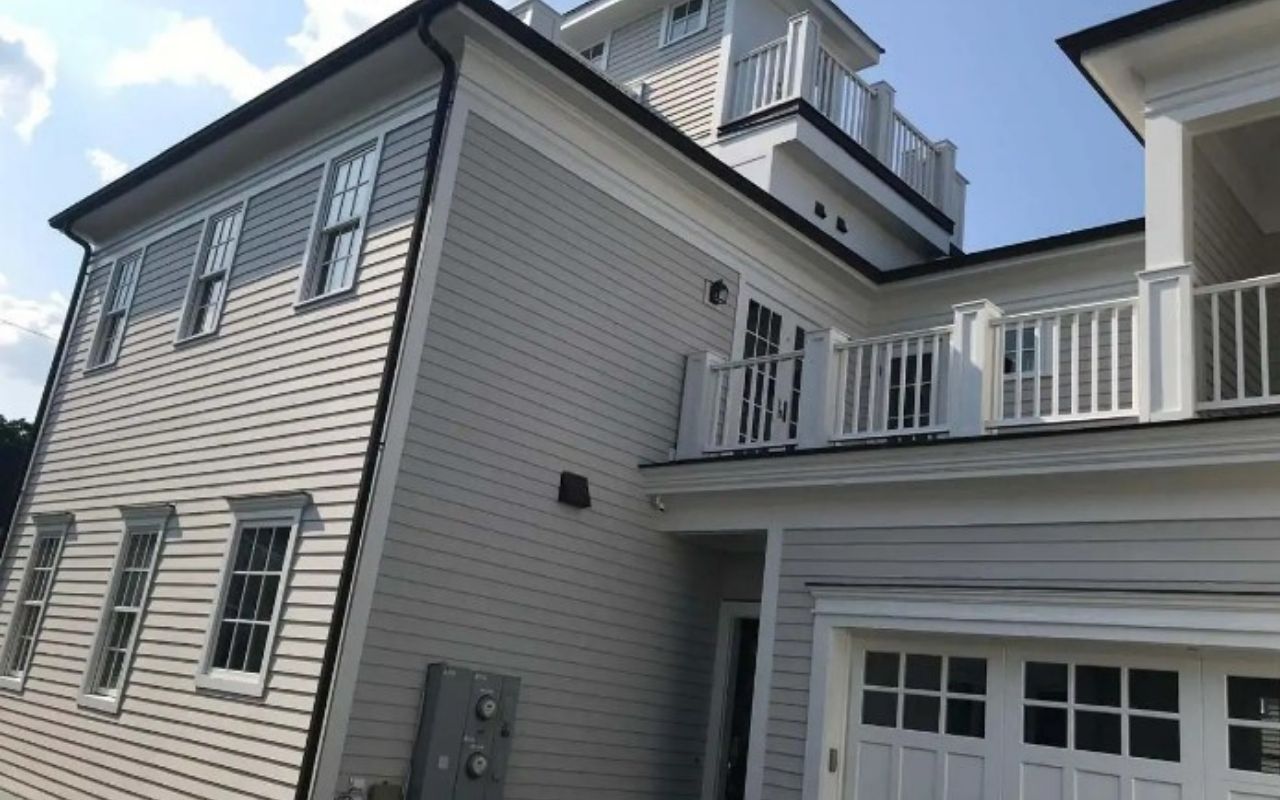
During hot weather, paint bubbles on siding can make your home look worn and raise real concerns about the surface underneath. At BVL Painting & Carpentry, we know this problem often starts with heat, trapped moisture, or poor prep before painting.
When bubbles appear, the first step is to understand the cause. You can also review the signs your home needs exterior painting to see when siding needs more than a quick touch-up.
Understanding Paint Bubbles During Hot Weather
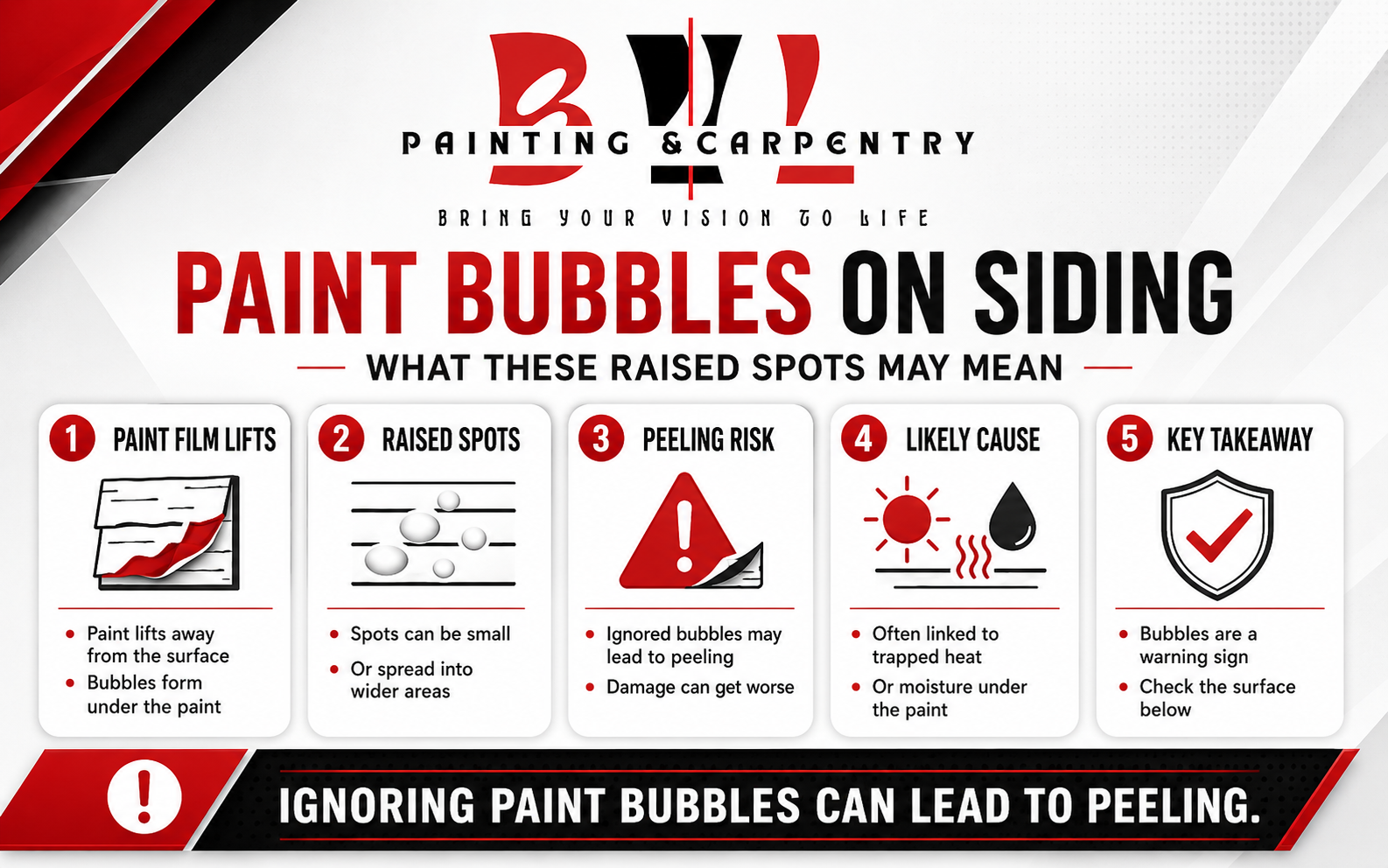
Different siding materials react in different ways. Wood can absorb dampness, while vinyl and fiber cement can hold heat on the surface. When the sun is strong, the paint may soften or dry unevenly, which can lead to blistering exterior paint.
Why Does Exterior Paint Bubble in Heat?
Hot siding can cause paint to dry too fast on the outside while the layer beneath stays soft. This traps moisture, air, or solvents below the surface. As the trapped material expands, bubbling house paint can appear in sunny areas.
This problem is more common when siding is painted in direct sunlight, during high humidity, or soon after rain. A helpful guide on spring rain and exterior paint explains why damp surfaces need time to dry before painting.
Common Reasons Paint Blisters on Siding
Blisters usually have more than one cause. Heat can make the issue worse, but the root problem often starts before the paint dries. Finding the cause helps prevent the same damage from returning.
- Moisture under paint from rain, washing, leaks, or damp siding.
- Painting in direct sunlight or on a surface that is too hot.
- Applying thick coats that trap moisture or solvents.
- Skipping sanding, scraping, cleaning, or primer.
- Using paint that is not suited for exterior heat and sun.
Preparation Steps Before Exterior Painting
Good prep gives paint a clean, dry, and stable surface. Our team at BVL Painting & Carpentry always treats prep as a key part of the job because even high-quality paint can fail when the siding is not ready.
- Clean siding to remove dirt, dust, mildew, and old residue.
- Let the surface dry fully before primer or paint is applied.
- Scrape loose paint until the remaining edge is firm.
- Sand rough spots so the new coating can bond well.
- Use the right exterior primer for the siding material.
A complete exterior painting prep checklist can help you understand why each step matters before painting begins.
Paint Choices That Handle Summer Heat
The right paint can reduce the risk of future bubbles. Flexible exterior acrylic latex paint often performs well because it can expand and contract as temperatures change. It also allows some moisture vapor to escape instead of trapping it below the paint film.
Lighter colors can also help because they reflect more sunlight than dark colors. This may keep siding cooler during the hottest parts of the day. The product label should match your siding type, weather exposure, and local climate.
How to Repair Small Paint Bubbles
Small paint bubbles on siding should be repaired before they spread. With BVL Painting & Carpentry, you get a careful repair approach that focuses on removing loose paint, solving the surface problem, and blending the finish.
- Scrape the bubbled paint until only firm paint remains.
- Sand the edges so the repair area feels smooth.
- Check for moisture, soft wood, or signs of deeper damage.
- Prime the bare siding with a compatible exterior primer.
- Repaint with thin coats and allow proper drying time.
Repairs should not simply cover the bubble. If moisture under paint is still present, new paint may blister again. The surface must be dry, clean, and stable before any new coating is applied.
Frequently Asked Questions
Are paint bubbles on siding always caused by heat?
No. Heat is a common trigger, but moisture, poor prep, thick paint layers, and painting over dirty siding can also cause bubbles. The best repair starts with finding the real cause.
Can bubbling house paint be fixed without repainting everything?
Yes, small areas can often be repaired without repainting the full exterior. However, widespread damage may mean the siding needs a larger repainting plan. You can compare the issue with other exterior painting warning signs.
How long should siding dry before painting?
Siding should be fully dry before paint or primer is applied. Drying time depends on weather, shade, material, and recent rain. This is why checking the forecast and surface condition matters before painting.
Does rain before painting cause blistering exterior paint?
It can. Rain can leave moisture in siding, seams, or small cracks. If paint traps that moisture, blisters may form later. Our guide on rain and exterior paint problems explains this risk in more detail.
What can I do before hiring a painter?
You can inspect the siding, note where bubbles appear, and check for peeling, mildew, or damp areas. When you choose BVL Painting & Carpentry, we can review the surface and explain the next steps. You can also use our painting preparation checklist.
Keep Your Siding Smooth Through Summer
Paint bubbles on siding are more than a surface flaw. They can point to heat stress, trapped moisture, or prep issues that need attention. A careful repair can protect your siding and help your home look clean again.
At BVL Painting & Carpentry, we focus on the cause before repainting, so the finish has a better chance to last. To discuss exterior paint concerns before summer damage spreads, contact an exterior painting team today.